

Commercial flooring in London and the South East
We take on commercial flooring for offices, shops, churches, gyms and blocks of flats across London and the South East. We bring in a trusted flooring trade to lay or refinish the floor, and our own team paints the walls and skirting boards around it.
- Floors laid by a trusted flooring trade we bring in
- Walls and skirting boards painted by our own team
- Free visit and a written quote
- A reply to every enquiry within one working day
- £5 million public liability insurance

Get a quote for your commercial floor
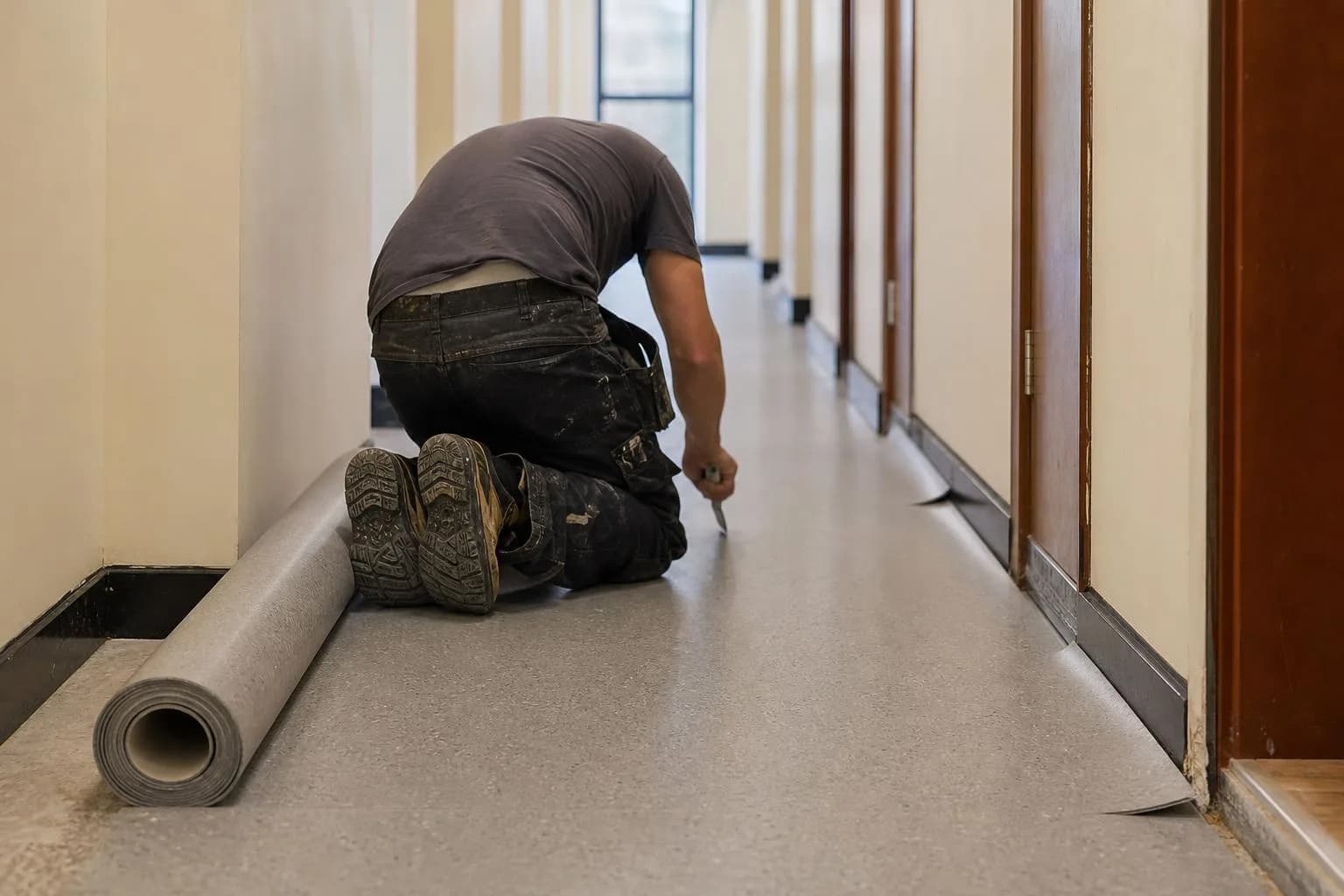
Commercial flooring we take on, by type of space
Each floor is chosen for what happens on it. We bring in a trusted flooring trade to lay or refinish it:
Offices and meeting rooms
Carpet tiles, which can be lifted and replaced one at a time; how carpet goes down is on our carpet fitters page.
Washrooms, staff kitchens, shops and gyms
Heavy-duty sheet vinyl, safety vinyl (vinyl with a slip-resistant surface) or LVT (luxury vinyl tiles), sealed at the edges where the floor gets wet. See vinyl flooring.
Commercial kitchens and plant rooms (rooms that house boilers, pumps or other building machinery)
Resin laid over a prepared base: resin flooring.
Churches and halls
Existing wooden floors sanded and sealed again: floor sanding.
Stairs and corridors in blocks of flats
Carpet or vinyl in the common parts.
Uneven or damaged bases
A new screed (a levelling layer laid over the base) before the new floor goes down: floor screeding.
The walls, ceilings and skirting boards around the floor are painted by our own team; see commercial decorators.
What each kind of building asks of its floor
Offices
Meeting rooms, staff kitchens and washrooms; if the floor is one part of a full refit, see office fit out.
Shops
Floors that take high foot traffic, where wet shoes and grit come in from the street.
Church halls
The hall kitchen and toilets as well as the main floor.
Gyms
Changing rooms, corridors and reception areas.
Blocks of flats
The stairs and corridors in the common parts; decorating them is on our social housing contractors page.
Floors in a building still in use: curing, slips and kitchens
A new floor closes an area for longer than the laying itself: adhesive, screed and resin need time to dry or cure before people walk on them, and longer before furniture goes back, so plan when each area can stay closed.
The decorating goes first and the floor last, so ladders and paint are out of the room before the new surface goes down.
The floor also has to meet the law.
Regulation 12 of the Workplace (Health, Safety and Welfare) Regulations 1992, which applies to most workplaces, requires every floor to be suitable for the purpose it's used for, with no hole, slope, uneven or slippery surface that puts anyone's health or safety at risk (HSE's L24).
Where a floor is likely to get wet or have spills, HSE's code of practice says it should be of a type that doesn't become unduly slippery.
In rooms where food is prepared, the Food Standards Agency's guidance says floors and walls must be maintained in good condition, easy to clean, disinfected, smooth, hard-wearing and washable (starting a food business).
For slips, HSE advises getting reliable slip-resistance information as part of choosing a floor finish, especially where floors may get wet or contaminated (HSE's kitchen floor case study).
What the Construction (Design and Management) Regulations 2015 (CDM) ask of you as a client, and the duty to manage asbestos in workplaces and the shared parts of blocks of flats, are set out on our commercial construction page.
One contractor for the floor and the walls around it
Decorating and flooring in one programme. Our own team paints, and we bring in a trusted flooring trade for the floor, so you have one contractor to brief for both.
Free visit and written quote. The visit to your building and the written quote are both free.
An answer within one working day, however small the floor.
Details you can verify. Company number 06178781 at Companies House, incorporated in March 2007; listed on Checkatrade and verified on MyBuilder; £5 million public liability insurance.
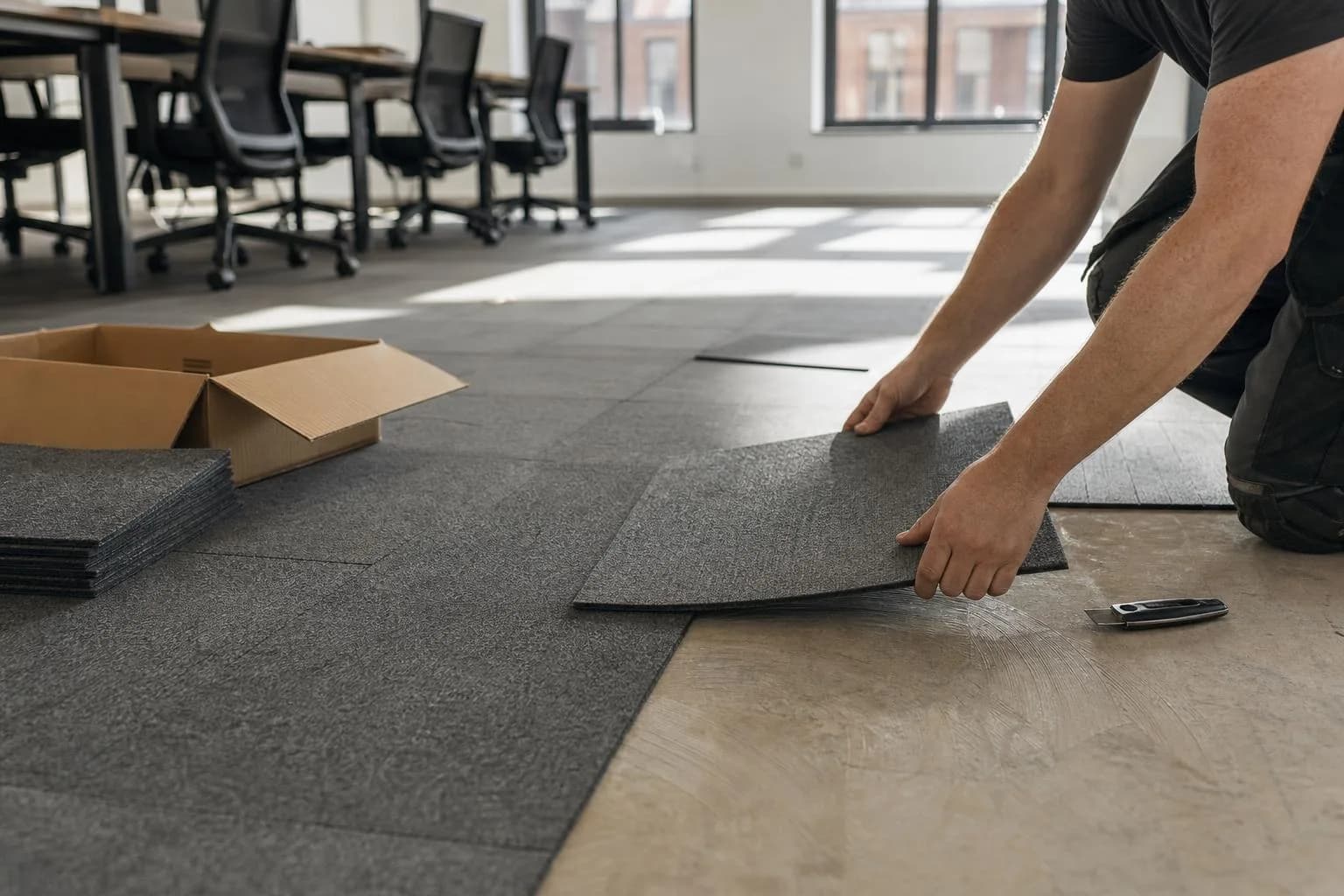
Areas we cover for commercial flooring
We take on commercial floors in London and the South East: most within about 20 miles of our base in Beckenham, and larger jobs anywhere in the South East. Our big commercial jobs so far include work in Haywards Heath and Brighton.
How a job works with us
- 01
Tell us about the job
Use the form or give us a call. Let us know what needs doing, where the property is and roughly when you'd like the work done. Photos help us understand the job.
- 02
We look at the work
Where the job needs it, we come and see it before we price it, so we can check the surfaces, the access and what preparation is needed.
- 03
You get a written quote
The quote sets out what we will do, the preparation, the finishes and the areas included, so you can compare it and ask questions before you agree.
- 04
We agree the details
We agree the start date with you, and which areas we work in and when.
- 05
The work, and a tidy finish
We protect the areas around the work, keep you updated as the job goes on, and leave the place clean when we finish.
Commercial flooring questions
Call 020 8249 7303
What is considered commercial flooring?
Any floor in a workplace or shared building rather than a private home: offices, shops, church halls, gyms and the common parts of blocks of flats. It takes more foot traffic and cleaning than a floor at home, and as a workplace floor it has to suit what happens on it.
What is the best type of flooring for commercial use?
It depends on the room: carpet tiles for offices, heavy-duty or safety vinyl for washrooms, shops and changing rooms, and resin for kitchens and plant rooms (boiler and machinery rooms). A sound wooden floor in a church or hall can often be sanded and sealed instead of replaced.
What is the cheapest flooring for a commercial space?
Sheet vinyl and carpet tiles usually cost less to buy and lay than resin or new wood, but the base often decides the total. Lifting the old covering, levelling or screeding an uneven floor, the floor area and how many phases the work needs around people all move the price. The visit and the written quote are free.
What flooring do you need in a commercial kitchen?
One that is maintained in good condition, easy to clean, disinfected, smooth, hard-wearing and washable: that's what the Food Standards Agency's guidance asks of floors in rooms where food is prepared. Resin and safety vinyl are the usual choices; ask for reliable slip-resistance information on the finish before you decide.
Can you sand and reseal a wooden floor in a church or hall?
Yes. We bring in a trusted flooring trade to sand and reseal it. Whether it can take another sanding depends on how much wood is left.
More for blocks of flats and the rest of the building
Before major work in the common parts of a block, our guide to Section 20 works explains consulting leaseholders. Floors for homes are on our flooring page; for the pipes and wiring, see commercial plumbers and commercial electricians.
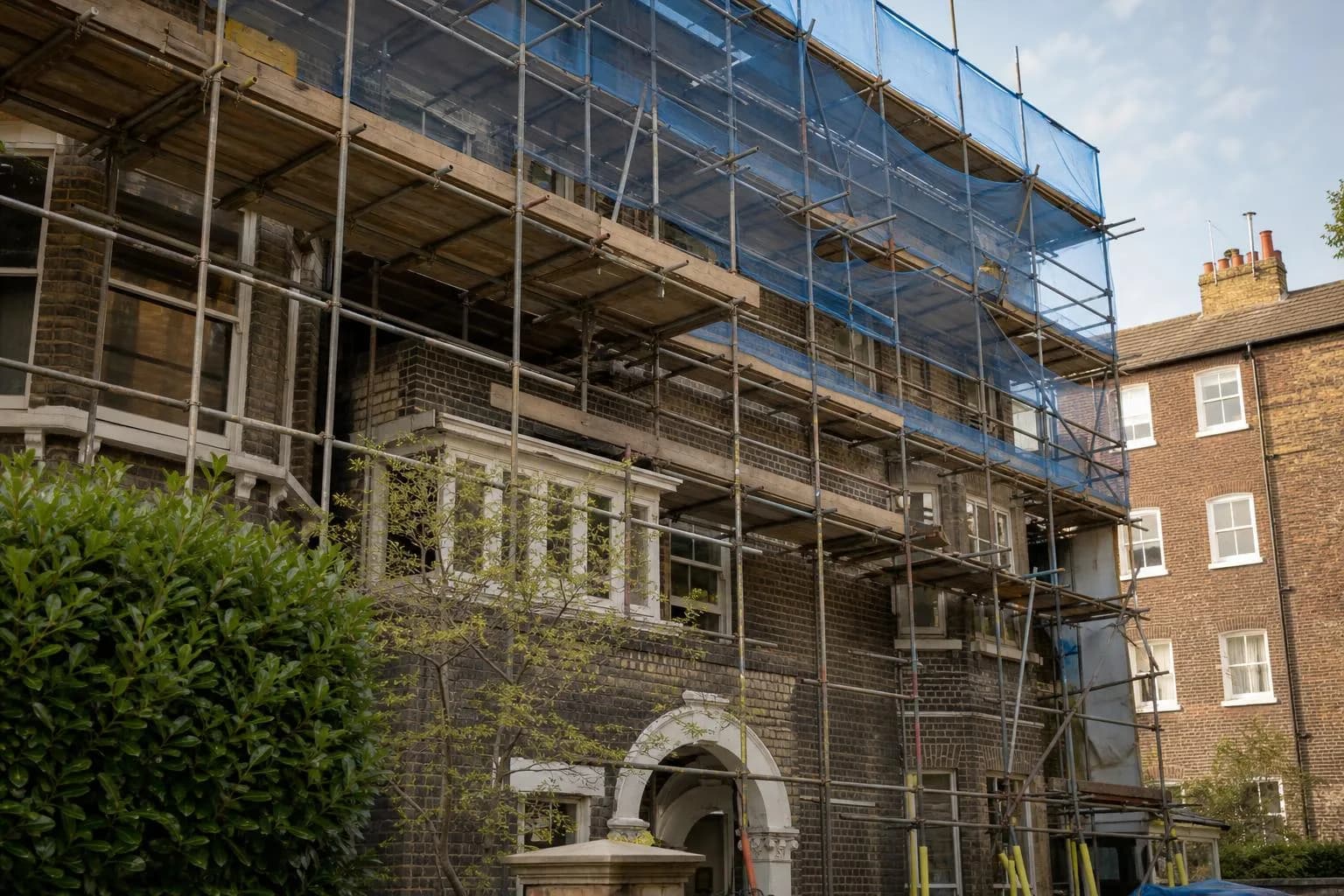
Section 20 works and consultation
Section 20 works explained by a contractor: the £250 threshold, the three consultation stages and what an estimate should show. Read the guide.
Commercial construction and maintenance company in London and the South East
Commercial construction for offices, blocks of flats, churches, gyms and shops across London and the South East. Work planned around buildings in use.
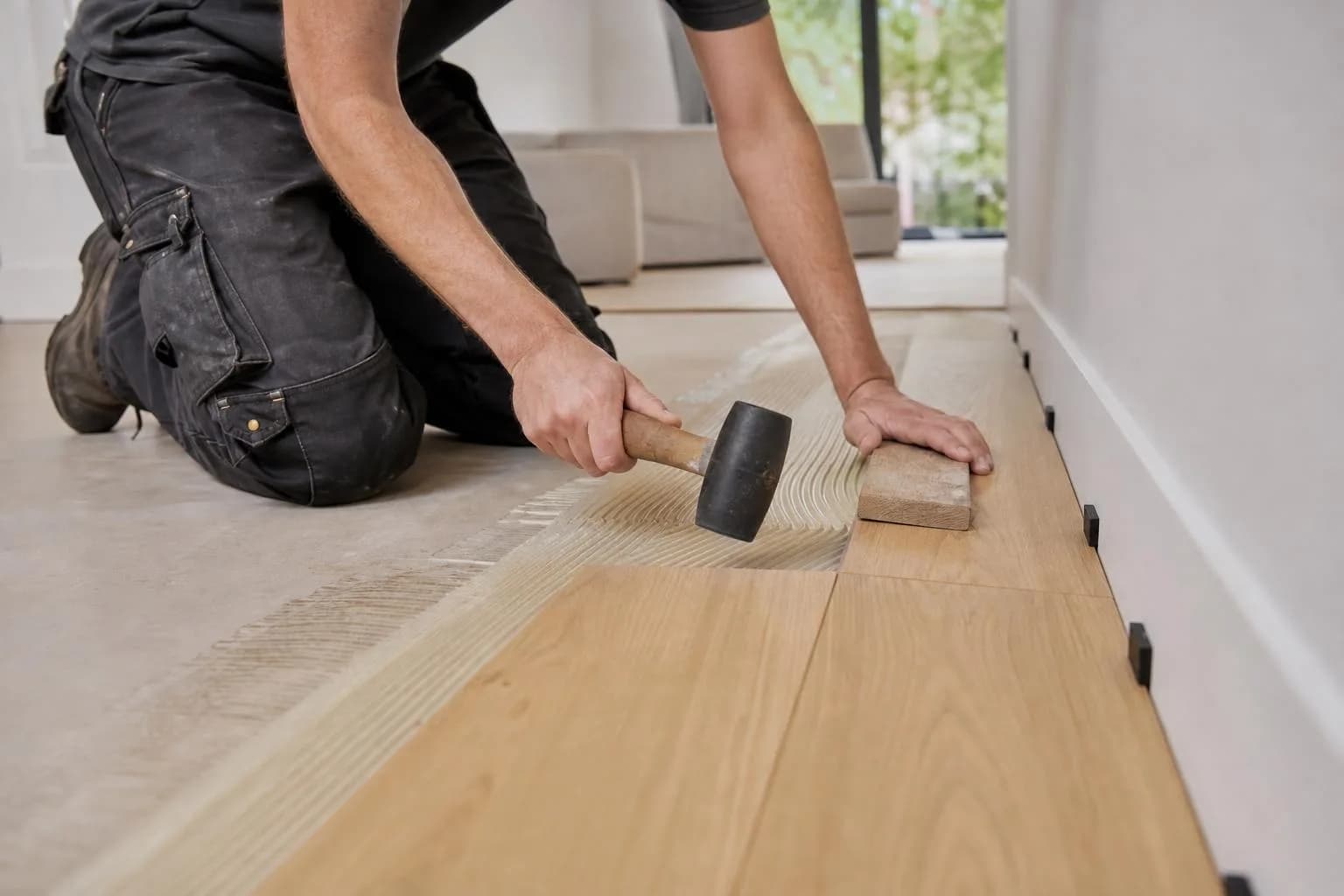
Flooring in Beckenham and South East London
Flooring in Beckenham and South East London from a family firm. Free visit, a written quote and tidy work.
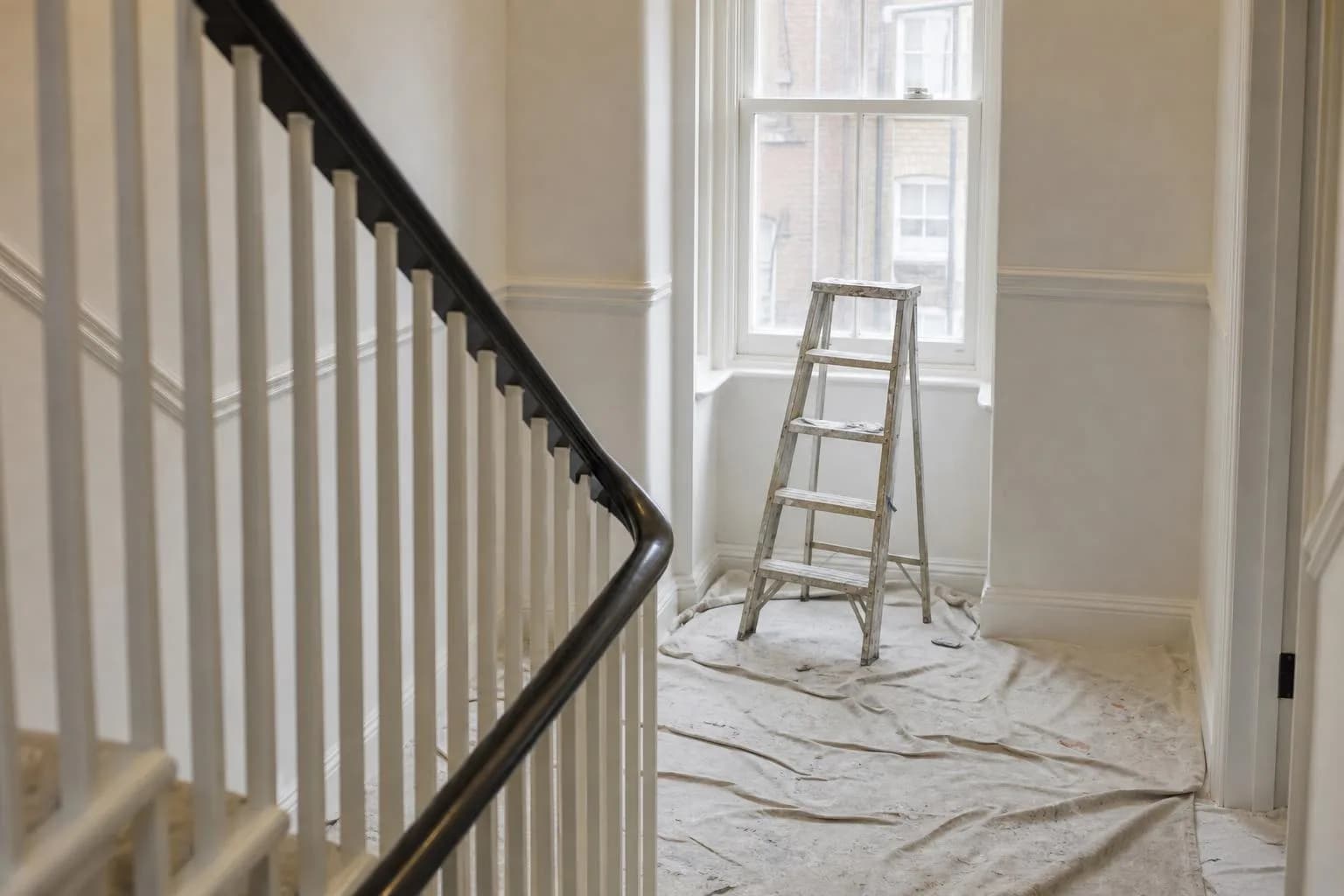
Commercial decorators in London and the South East
Commercial decorators for offices, blocks of flats, churches, gyms and shops across London and the South East. Free visit and a written quote.
Office fit out and refurbishment in London
Office fit out and refurbishment in London, planned around a building in use. Decorating, repairs and the main trades. Free visit and a written quote.
Social housing contractors for communal areas and maintenance
Social housing contractors for the communal areas of blocks of flats: entrance halls, stairwells and landings. Free visit and a written quote.
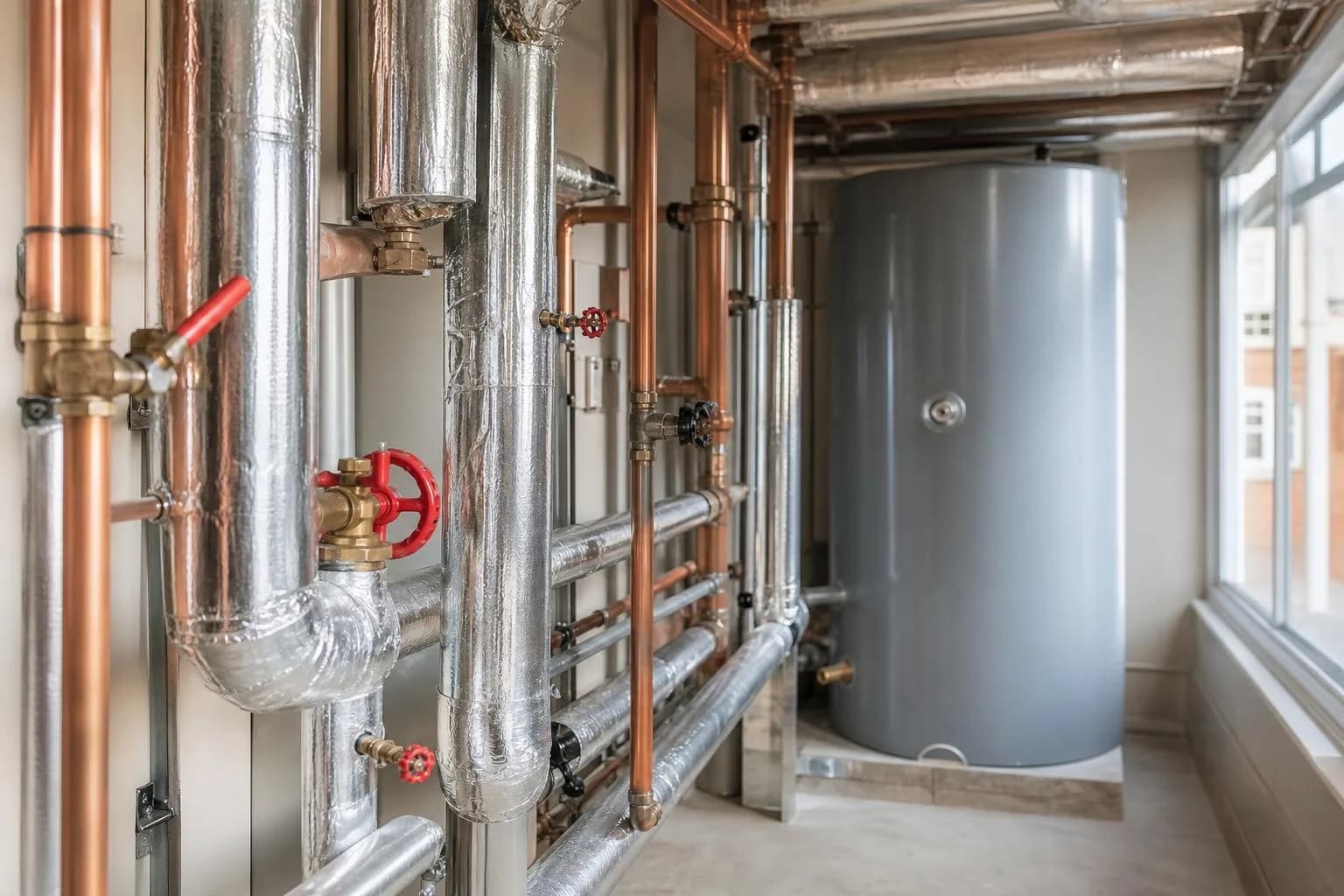
Commercial plumbers in London and the South East
Commercial plumbers for offices, blocks of flats, churches, gyms and shops across London and the South East. Free visit and a written quote.
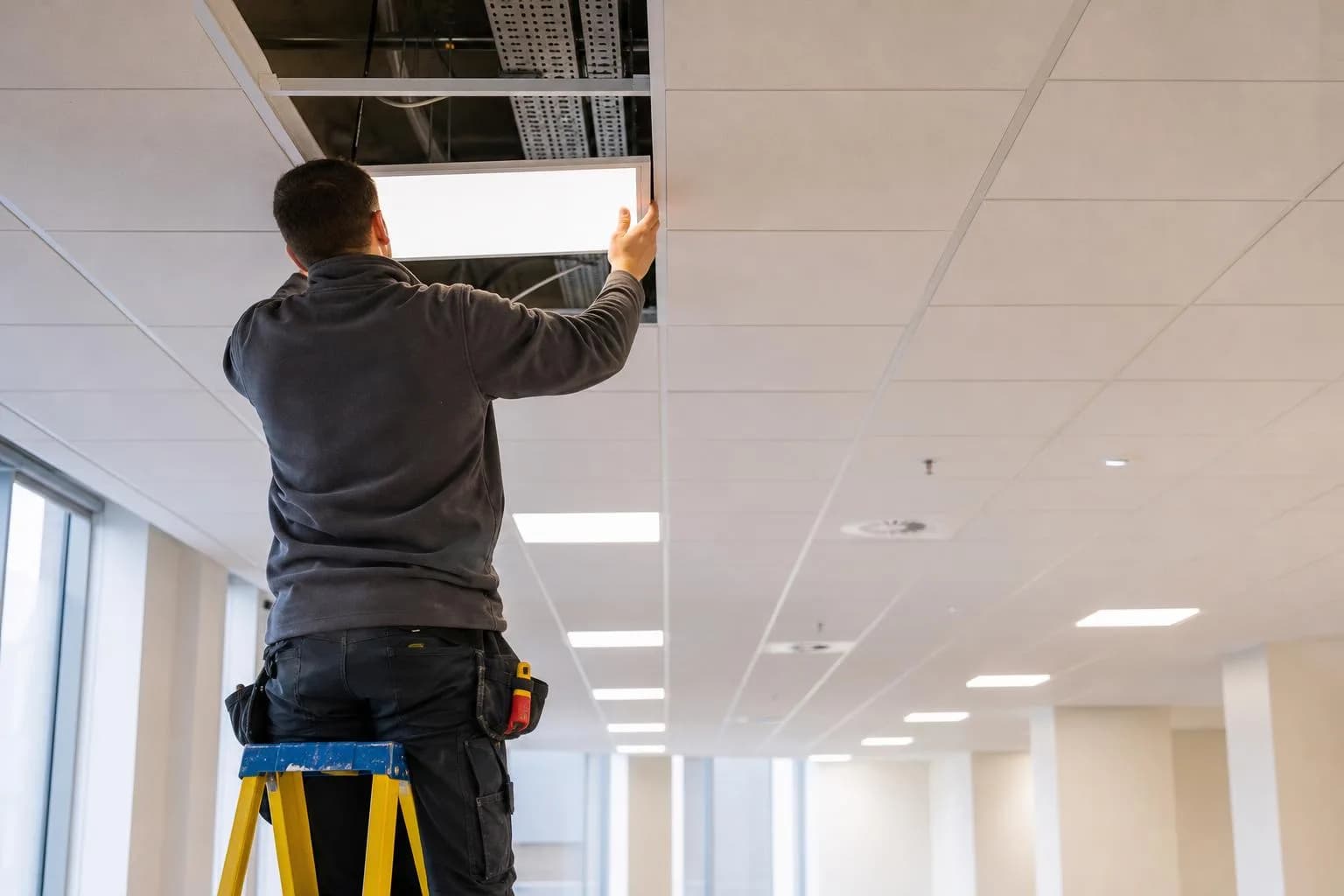
Commercial electricians in London and the South East
Commercial electricians for offices, blocks of flats, churches, gyms and shops across London and the South East. Free visit and a written quote.
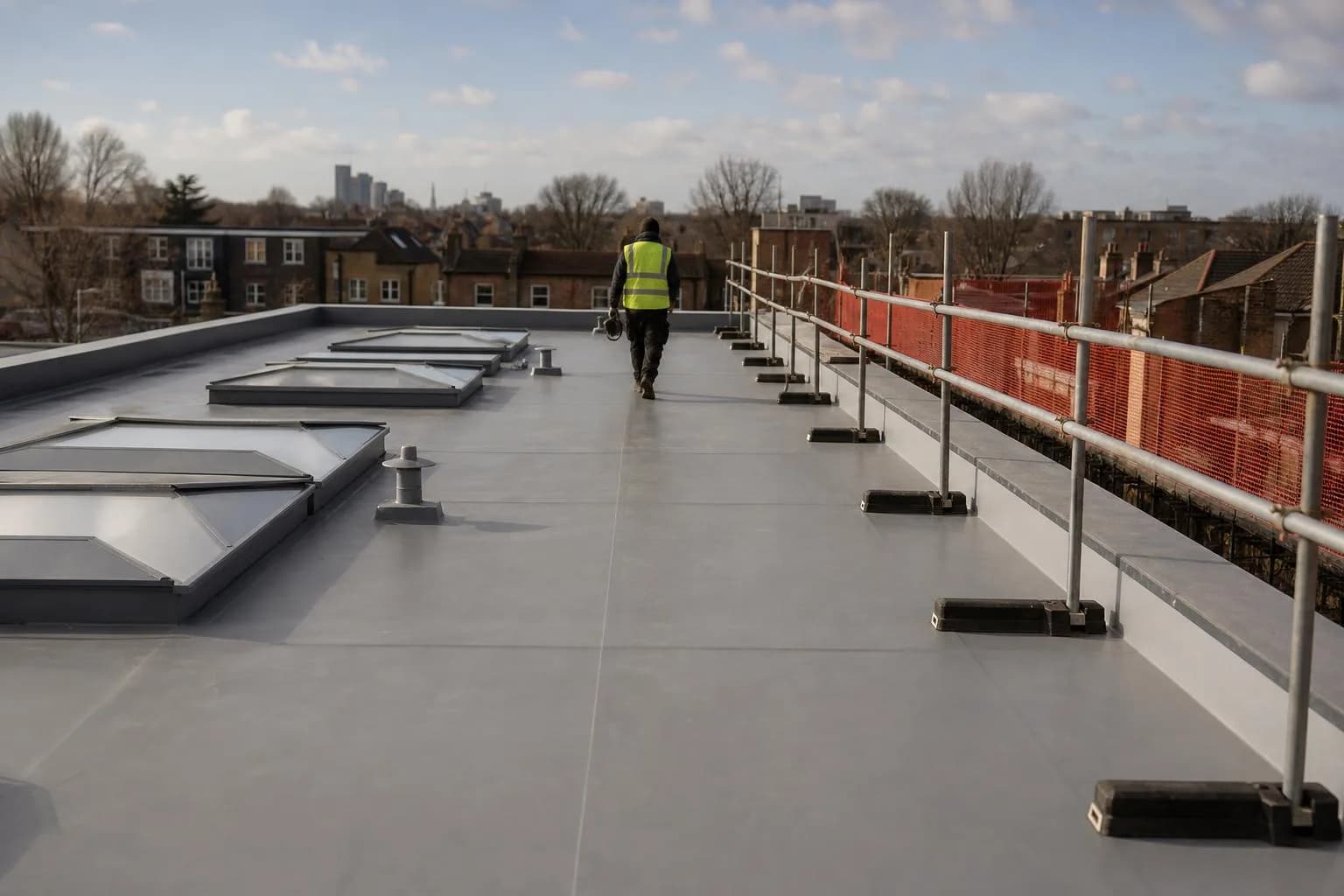
Commercial roofing in London and the South East
Commercial roofing for offices, blocks of flats, churches, gyms and shops across London and the South East. Free visit and a written quote.
Before the visit: what to tell us about the floor
Whether you manage the building, own the freehold or look after it for a council or housing association, send us the building type, its postcode, which rooms need a new floor, what's down now and when each area is in use, with a few photos. We'll arrange a free visit.