

Should you paint brickwork?
Painting brickwork that has never been painted is usually a step you can't take back: paint can hold moisture in the wall, and Historic England warns modern paint can be almost impossible to remove without causing damage. Already painted? Repaint it with a paint that lets the wall breathe.
If you've already decided, our page on exterior painting covers the whole job, from preparation to the last coat.
Why bare brick is usually best left unpainted
Brick is porous. Rain soaks in, and on dry days the moisture escapes back out through the brick and its mortar joints. On an older house with solid walls, such as a Victorian terrace, that drying out is part of how the wall stays sound.
Historic England's advice on redecorating puts it plainly: in old houses, it's important to let moisture in walls evaporate so that it doesn't cause damp. It warns that painting brick, stone or concrete walls can create damp problems, and that modern paint can be almost impossible to remove without causing damage.
That leaves three downsides to weigh before the first coat:
Damp: a coating that slows the drying can leave moisture in the wall, causing damp patches and blistering paint. Trapped water can also freeze in winter and break up the face of the brick.
No way back: once paint has gone into the pores of the brick, getting back to clean bare brick is slow, costly and rarely perfect.
Upkeep: bare brick needs little attention. Painted brick becomes one more surface to wash down and repaint every so often.
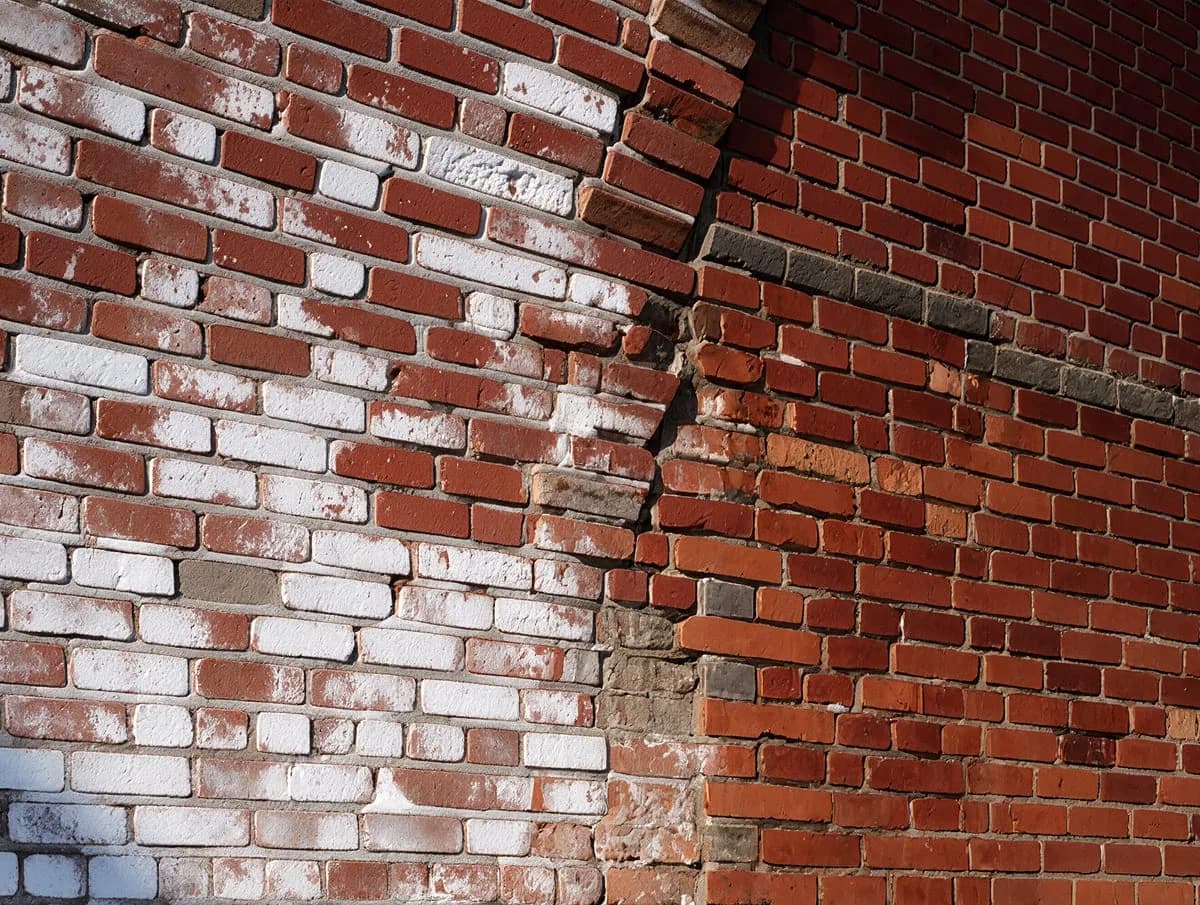
There are cases where paint makes sense: brick that's already painted, a wall patched over the years with bricks that don't match, or a garden wall or yard you want to brighten. Even then, the choice of paint matters as much as the colour.
Painting exterior brickwork that's already painted
Once the brick has been painted, the question changes from whether to paint it to what to paint it with. Before choosing, look closely at painted brick on the outside of the house: paint that peels or bubbles, damp stains, white salty deposits (efflorescence), open or crumbling mortar joints, and cracks. Most of these point to moisture, and that comes first.
Historic England's advice for walls that are already painted is short: seek advice before you repaint. The old paint may be the reason the wall stays damp, and another coat of a paint that doesn't breathe can seal the problem in.
On a listed house, the type of paint is a legal question as well as a practical one. Historic England says that repainting a building previously painted in a permeable paint with one that doesn't let water pass through would need listed building consent, because of the potential damage to the structure from moisture that can't get out. The section on permission below explains that consent.
Taking the paint off instead is covered under the alternatives below.
Which paint to use on brick, and why breathability matters
The paint on a brick wall should let water vapour out as freely as the wall needs. For most homes, the choice is between three kinds of finish:
Masonry paint: the usual exterior wall paint, water-based or solvent-based. Breathability varies between products; the maker's data sheet states it.
Mineral paint: a silicate-based paint that soaks into a mineral surface and bonds with it rather than forming a skin on top. It's highly breathable, but it generally needs bare or mineral-coated masonry, so it may not suit a wall already covered in plastic paint.
Limewash: the traditional finish, covered in the next section.
The opposite is a coating that seals the wall: rubbery, plastic or waterproof finishes. They keep rain out at first but stop moisture inside escaping, the problem Historic England describes.
The right paint depends on the wall: its age, its mortar and what's on it now. Tinted versions of each finish are available, so a breathable paint doesn't limit you to white.
Limewash on brick: a breathable, traditional finish
Limewash is lime mixed with water, sometimes with natural pigment added. It doesn't form a film like modern paint; it soaks into the surface and lets the wall breathe through it. The result is matt and soft, and it weathers gently instead of peeling.
Historic England names limewash as the kind of 'breathable' paint that lime render and stucco may need, one that protects the material without trapping moisture in the wall. Limewashing brick works on the same principle, and it's one answer to the question of how to whitewash red brick without sealing it.
Lime can be applied to brick, but it behaves differently from paint. It goes on in several thin coats over damp, clean masonry and takes to bare or previously limewashed brick, not to modern paint. It also needs renewing more often than a good masonry paint, because it wears back slowly in the rain.
Do you need permission to paint brickwork?
Usually not. Painting the outside of a house doesn't normally need planning permission, unless your council has removed that right with an Article 4 direction; our page on exterior painting explains how that works and what an application costs. The exceptions that matter for brick are listed houses and some conservation areas.
Listed building consent is the separate permission a listed building needs for works that affect its special interest. Historic England's guidance on listed building consent gives the detail for paint:
Repainting in the same type of paint and the same colour usually doesn't need consent.
Painting brickwork that is unpainted now, whether or not it was painted at some point in the past, may need consent.
A substantial change of colour may need it too; what counts depends on the building's setting and circumstances.
Switching from a breathable paint to one that doesn't let water through would need consent.
In some conservation areas where an Article 4 direction says so, a change of paint colour may need planning permission.
Historic England's advice for homeowners adds that in some conservation areas there may be special controls on the colours you can use, so check with your local authority first. Before you choose a colour, find out from your council whether the house is listed or in a conservation area, and what applies on your street.
Alternatives to painting brick
If the brick looks tired rather than damaged, there are ways to improve it without paint:
Cleaning: dirt, algae and old stains often make brick look worse than it is. Gentle methods matter, because harsh ones can damage the brick.
Repairing joints and bricks: raking out failed mortar and repointing, with a mortar that is no harder than the brick, and replacing loose or broken bricks, often does more for a wall than any coating.
Brick tinting: a stain that evens out the colour of mismatched or patched bricks while leaving the wall looking like brick.
Limewash: a breathable finish that changes the colour, as described above.
Taking paint off: possible, but slow. As Historic England notes, modern paint can be almost impossible to remove without causing damage.
On a listed building, Historic England's consent guidance says exposed brickwork is always likely to be damaged by abrasive cleaning methods, and that such work is always likely to need listed building consent.
Brick cleaning and brick and masonry restoration are on our list of services.
How painted brickwork is prepared and painted
Most of the work happens before the first coat. In general, it runs in five steps:
Fix the cause of any damp first, such as a leaking gutter or a cracked downpipe, and let the wall dry out.
Clean the surface: brush off dust, loose and flaking paint, and treat moss and algae.
Repair the joints and cracks, so water can't get in behind the new paint.
Prime or stabilise if the paint maker asks for it, typically on powdery or very porous surfaces.
Apply two coats in dry weather, above the minimum temperature given on the tin, and with no rain due before the paint has set.
Brick painting is on our list of services, and we take on painted brick together with the rest of the outside of a house: woodwork, windows and doors.
Questions about painting brickwork
Call 020 8249 7303
Can you paint straight onto brickwork?
Yes, if the brick is clean, dry and sound and the paint is made for masonry. Loose material, algae and open joints need dealing with first, or the paint won't hold.
Do you need to prime bricks before painting?
It depends on the brick and the paint. Follow the paint maker's instructions: a stabilising solution is usually advised on powdery or very porous surfaces.
Can you paint new brickwork?
It's best to wait. New walls hold a lot of moisture from building, and salts often come out on the surface as they dry, so follow the drying time given by the brick and paint manufacturers.
Can you paint brick inside the house?
Yes. Inside there's no rain or frost, but an old solid wall still needs to breathe, so a breathable paint and good preparation matter there too.
Can painted brick be returned to bare brick?
It can be tried, but modern paint can be almost impossible to remove without damaging the brick. Results depend on the paint, the brick and the method, and on a listed building abrasive methods are likely to need consent.
Before you paint your brickwork: three things to remember
It comes down to three points:
- Leave bare brick bare unless there's a good reason; paint on brick is hard to undo.
- Repaint painted brick with a breathable paint, after dealing with any damp.
- Check permission first if your house is listed or in a conservation area, especially before painting unpainted brick or changing the colour.
We paint brickwork as part of our exterior painting work. Quotes are free: we come and look at the wall before we quote, and put the quote in writing. Photos of the wall, close up and from across the street, help us quote.
More guides
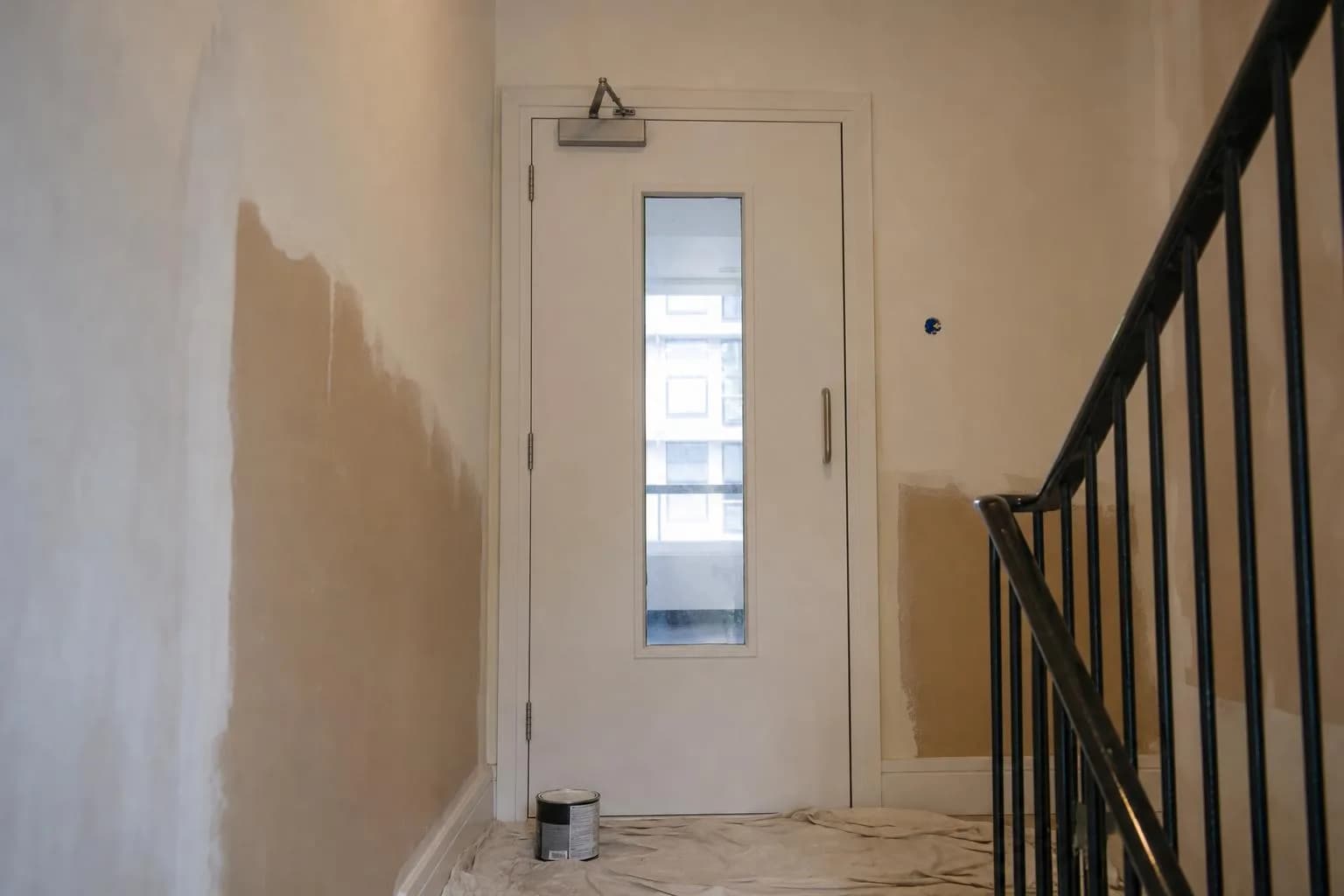
Painting fire doors: what the rules allow
Painting fire doors in a block of flats: what the fire door paint regulations check, which seals stay clean and how to paint one. Ask us for a quote.
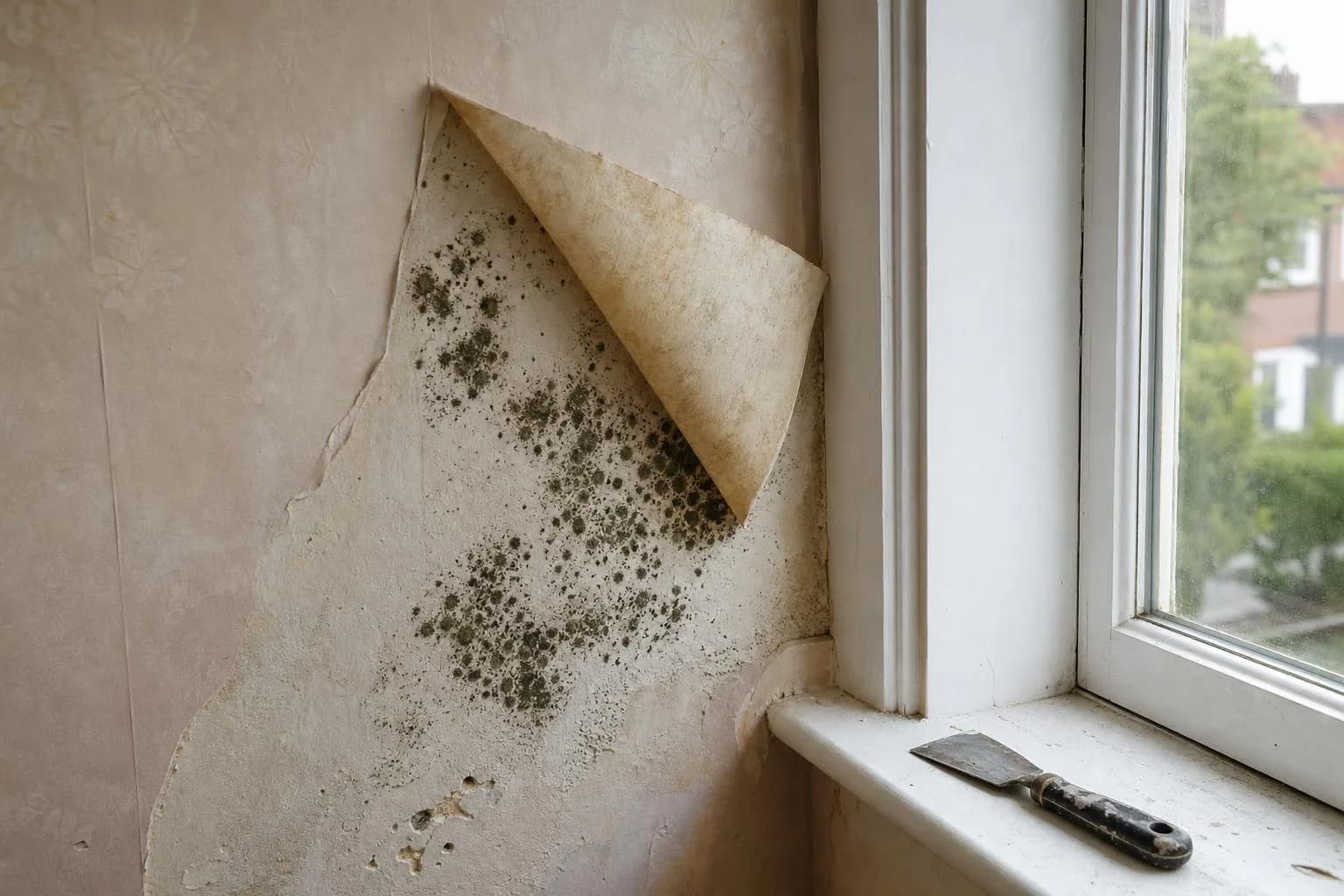
Awaab's Law: the rules and timescales for social housing repairs
Awaab's Law explained: Phase 1 and Phase 2 dates, repair timescales, who it covers and what it asks of contractors. Read our guide.
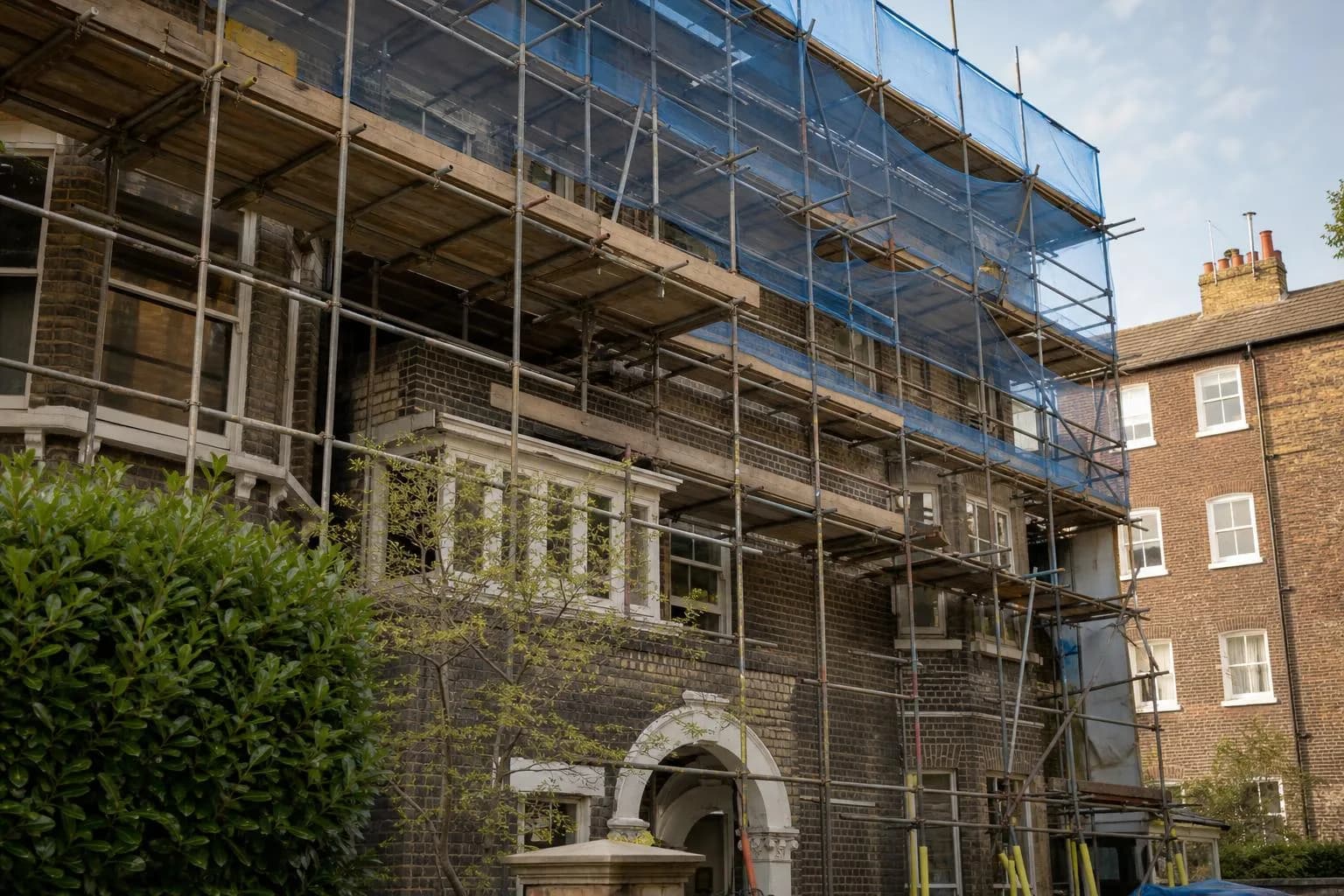
Section 20 works and consultation
Section 20 works explained by a contractor: the £250 threshold, the three consultation stages and what an estimate should show. Read the guide.