

Painting fire doors: what the rules allow
Yes, a fire door can be painted. Painting fire doors is allowed, and the official guidance on fire doors in blocks of flats mentions paint only once: when the doors are checked, the intumescent strips and smoke seals should not have been painted over.
What has to stay free of paint on a fire door
A fire door only works if it closes by itself and seals the gap around it. These five parts do that job, and paint can spoil them:
Intumescent strips
The narrow strips fitted to the door edge or the frame. The government guidance describes them as strips that expand when exposed to fire and seal the gaps around the door.
Smoke seals
The guidance notes that they look similar to draught seals, so it pays to find them before the first coat goes on.
Hinges and the door closer
Paint on the hinges or the self-closing device can stop the door swinging shut on its own, and a door that doesn't close by itself can't hold back smoke.
The latch
Paint built up on the latch or the plate it catches on can stop the door engaging in its frame.
The certification label
Many fire doors carry a label or marking that shows what they are, such as FD30 or FD60. Painted over, it can't be read when someone checks the door.
The official checks look at the seals, the hinges and the self-closing device, so these are the parts to get right.
Fire door paint regulations: what the official guidance says
Nothing in the official guidance forbids painting a fire door. The government's fire door guidance, written for those responsible for fire safety in blocks of flats, lists what each fire door check should confirm. One item is that intumescent strips and smoke seals, where fitted, are undamaged, touch the door edge or frame and ‘have not been painted over during decoration activities’.
These checks are required in blocks whose top storey is more than 11 metres above ground level. The guidance names no paint, finish or number of coats: the rules on painting fire doors come down to clean seals and a door that still shuts.
Who checks fire doors in a block of flats, and how often
In England, if a block of flats has storeys more than 11 metres up, the person responsible for fire safety has had to check the communal fire doors every three months since 23 January 2023, self-closing devices included. They must also try, on a best-endeavour basis, to check flat entrance doors once a year (checked October 2026). In any block with two or more flats and shared parts, residents must be told why fire doors matter, as the Home Office fact sheet on fire doors explains.
In practice, that means three things:
Repainted communal doors get looked at. Painted-over seals are one of the things the next check looks for.
Your front door may be on the list. In a taller block, ask the managing agent or freeholder before painting your flat entrance door.
Timing helps. Planning the repaint around the checks beats putting a door right after one.
Choosing a paint for a fire door
The official guidance doesn't name a paint, so the door's own instructions come first. If the door came without finishing instructions, ask its manufacturer or supplier before choosing a product.
You'll also see paints sold as fire-rated or intumescent. Treat that as the paint maker's claim, to be checked against the door's paperwork, and never as a replacement for strips and seals that are missing or damaged.
How to paint a fire door, step by step
It's ordinary decorating, done with more care around the edges:
Check the door first. Look at the strips and seals, find the label, and make sure the door closes by itself and catches in the frame. Anything already wrong should be reported to whoever manages the building first.
Protect what stays unpainted. Mask the intumescent strips, smoke seals, hinges, closer, latch and label. The ironmongery can come off instead, but only if it goes back exactly as it was.
Clean and sand lightly. Wash off grease and dirt, then give the old paint a light sanding without taking down the door edges.
Apply thin coats. Thin coats, rather than heavy ones, keep paint from building up on the edges, in the frame rebate and around the seals.
Unmask and test. Take the masking off, check no paint has reached the seals or label, then close the door from fully open: it should shut and latch on its own.
When painting isn't enough: damaged seals and doors
Paint can freshen a fire door; it can't repair one. A torn strip, a seal that no longer touches the frame, damage to the door or frame, a gap that's too wide or a door that won't close are what the checks look for.
Where a check finds a fire door needs repairing or replacing, the government guidance says a competent contractor must do it as soon as reasonably practicable. That isn't a service we offer: repairing or replacing fire doors and their seals is a job for that contractor.
Questions about painting fire doors
Call 020 8249 7303
Is it illegal to paint a fire door?
No. The official guidance for blocks of flats doesn't forbid it; what the checks confirm is that the intumescent strips and smoke seals weren't covered during decorating.
Can you paint fire doors in a flat?
Yes, including your own front door. In a block with storeys over 11 metres, flat entrance doors should be checked once a year where possible, so ask the managing agent or freeholder before you start.
Can you paint a fire door with gloss?
The official guidance doesn't name any finish, gloss included, so follow the door manufacturer's instructions. Whatever the sheen, the seals, strips, hinges and label stay unpainted.
How much does fire door painting cost?
It depends on how many doors there are, whether both faces and the frames are painted, their condition, how much ironmongery has to be masked or removed, and whether residents use the building during the work.
Do you need to take a fire door off its hinges to paint it?
Usually not: masking the hinges, closer and seals is enough. What matters is testing afterwards that the door still closes and latches by itself.
Getting the fire doors in your block painted properly
Three things to keep in mind when the fire doors in a block are due a repaint:
The guidance watches the seals and the closing
Strips and seals left clean, and a door that still shuts on its own.
In a taller block, the checks will look at the work
Communal doors are checked regularly, so it pays to get them right first time.
Doors and walls go together
The walls and ceilings of communal corridors and stairs have their own fire rules on finishes; they're covered on our communal area painting page. We can quote for the doors and those areas together.
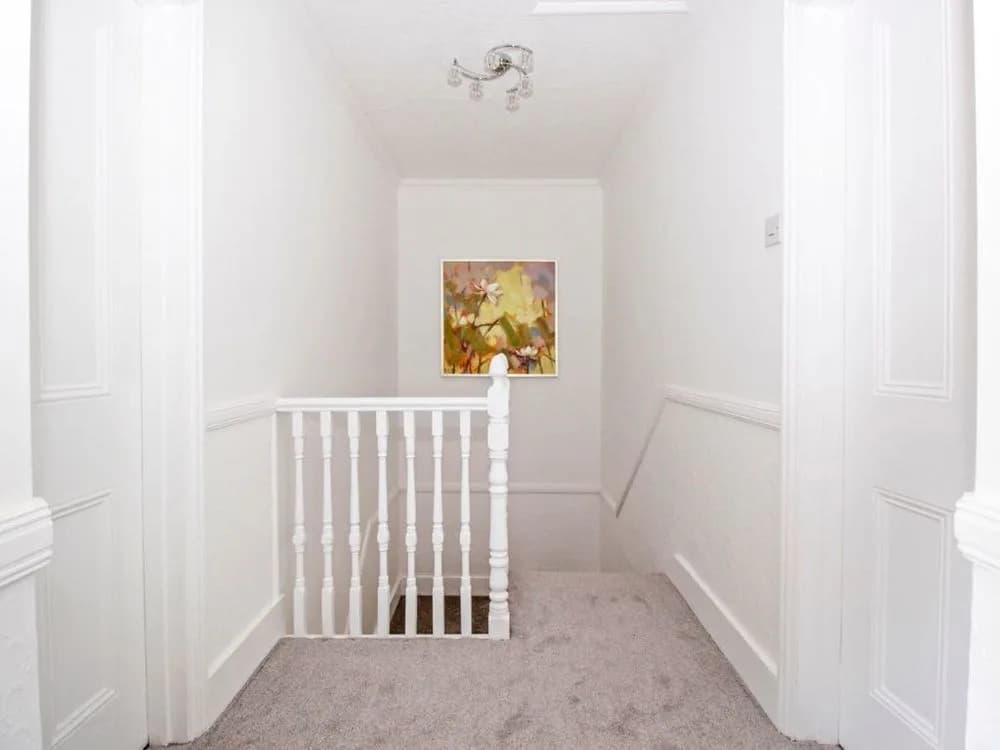
Quotes are free: we come and look at the doors before we quote, and put the quote in writing. Tell us how many doors there are and whether they're communal or flat entrance doors, whether the block has scheduled checks, and send photos of the seals and hinges if you can. You can also contact us.
More guides
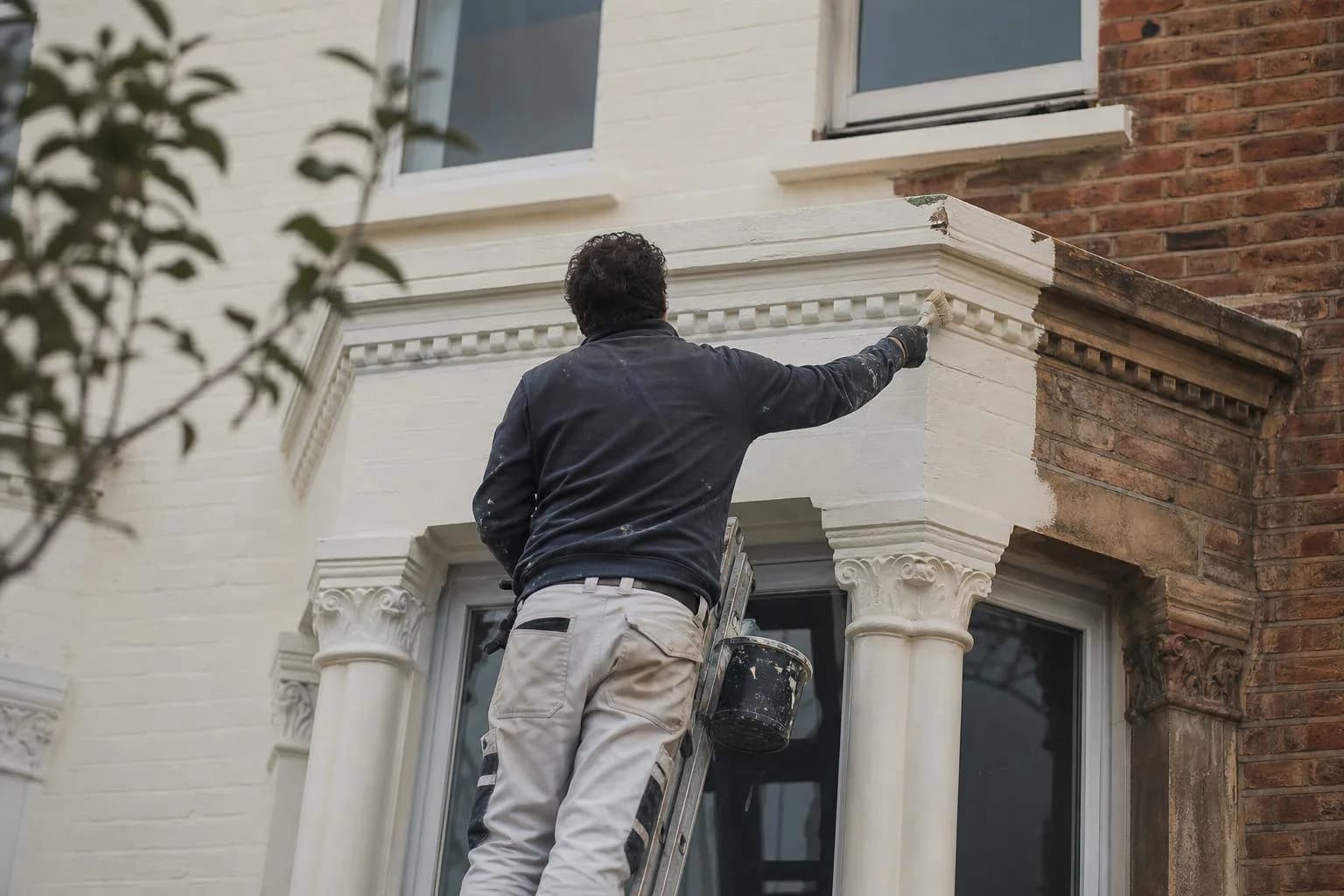
Should you paint brickwork?
Painting exterior brickwork? When bare brick is best left alone, which breathable paint to use, limewash, and when a listed house needs consent. Get a quote.
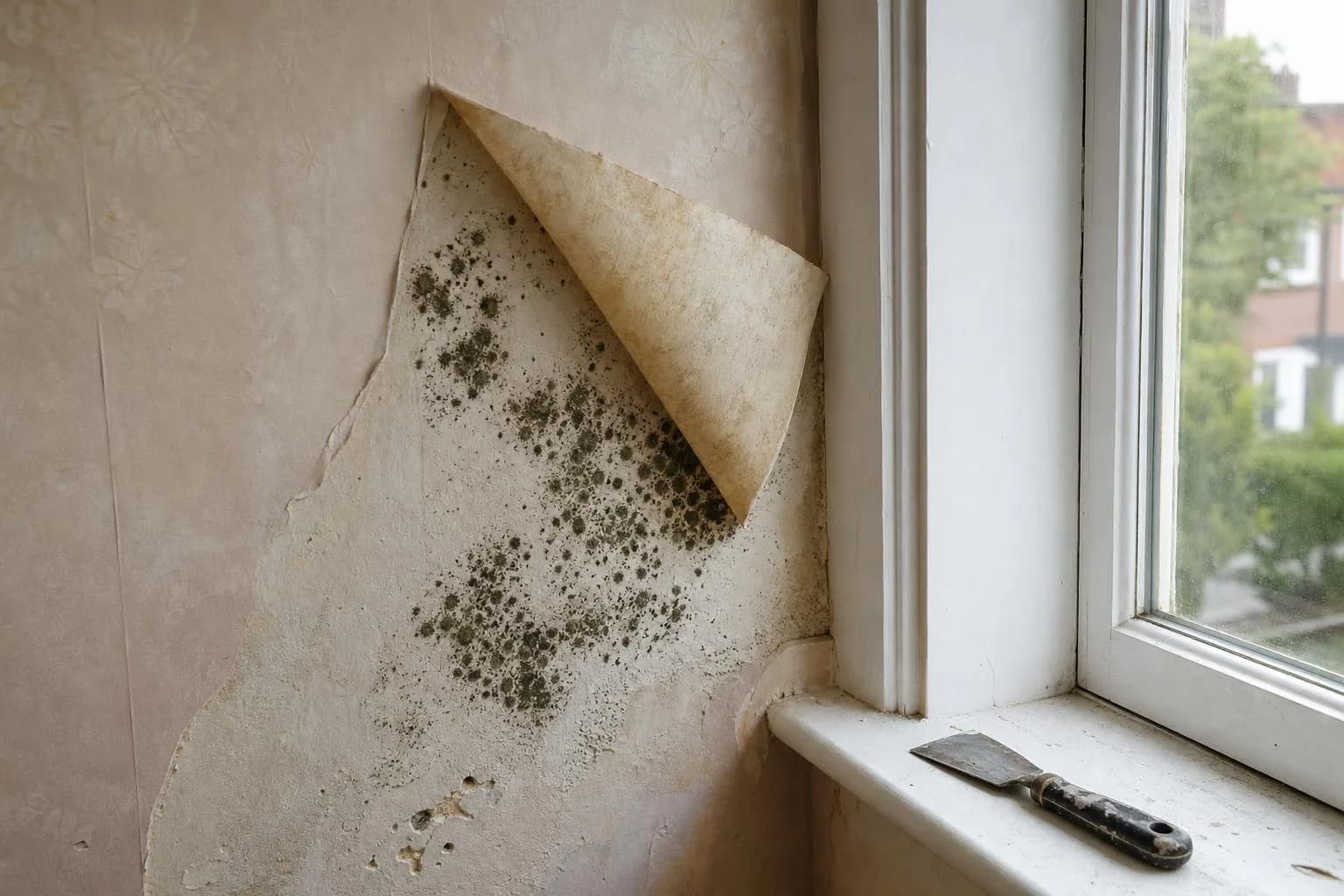
Awaab's Law: the rules and timescales for social housing repairs
Awaab's Law explained: Phase 1 and Phase 2 dates, repair timescales, who it covers and what it asks of contractors. Read our guide.
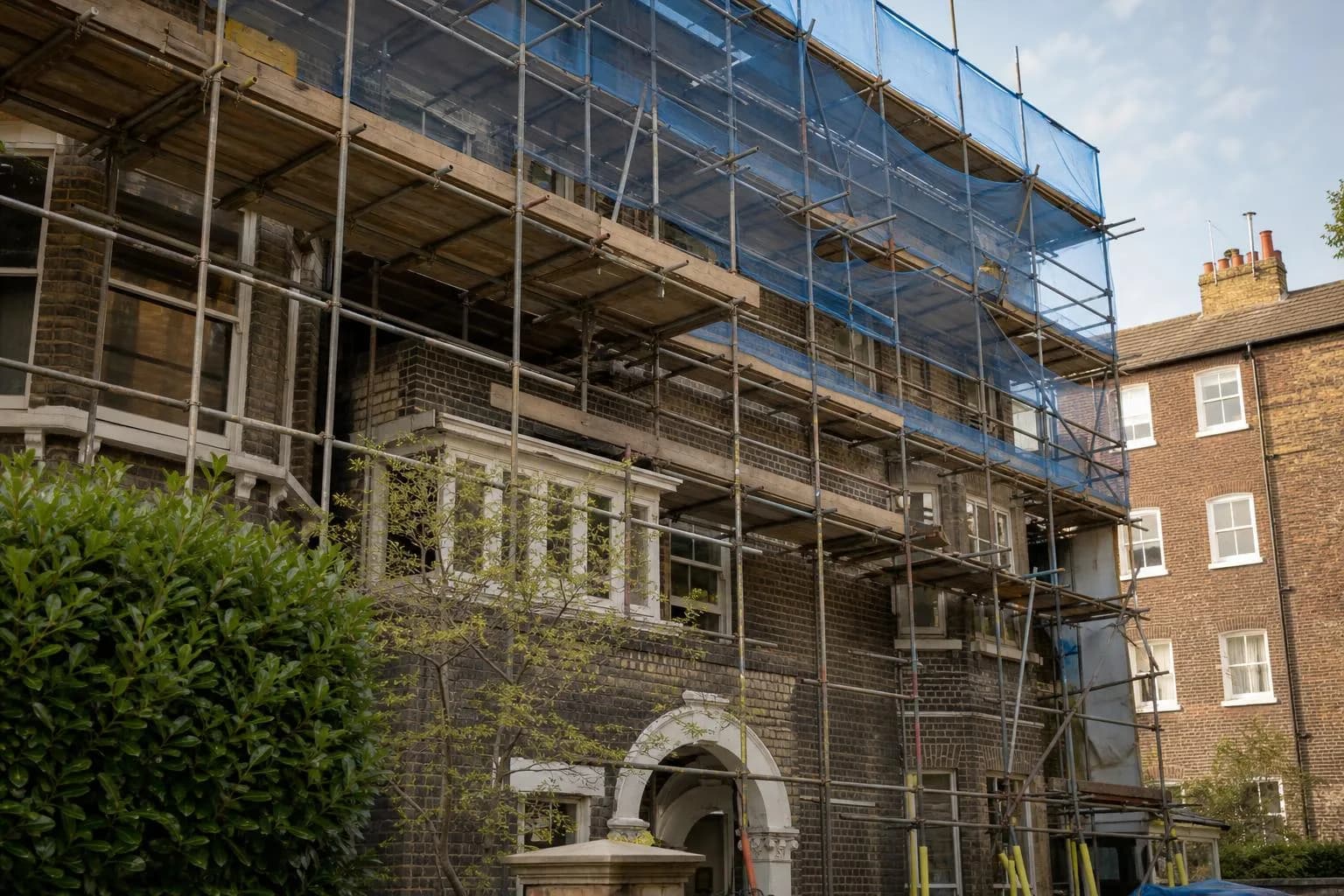
Section 20 works and consultation
Section 20 works explained by a contractor: the £250 threshold, the three consultation stages and what an estimate should show. Read the guide.