

Commercial electricians in London and the South East
Need commercial electricians? We take on lighting, power, fault finding and periodic inspections in offices, blocks of flats, churches, gyms and shops across London and the South East, and our own team makes good the plaster and paint afterwards.
- Lighting, power and fault finding for non-domestic buildings
- Periodic inspection and testing of the fixed wiring
- Plaster and paint made good by our own team
- Free visit and a written quote
- £5 million public liability insurance

Get a quote for your building's electrics
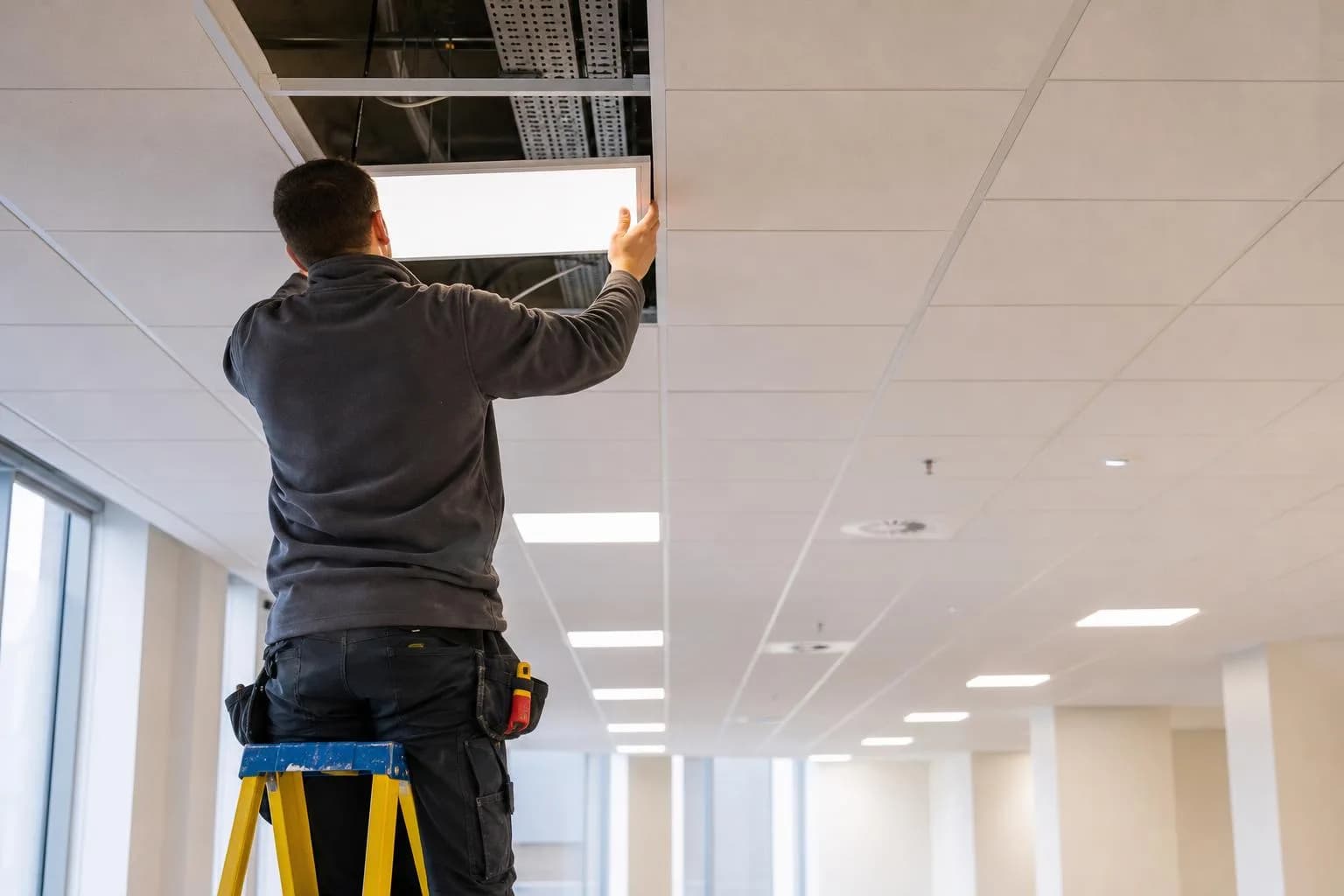
Commercial electrical services we take on
Our commercial electrical services cover planned work in non-domestic buildings, priced after a free visit:
Lighting
Commercial lighting installation in offices, shops and the communal areas of blocks.
Power
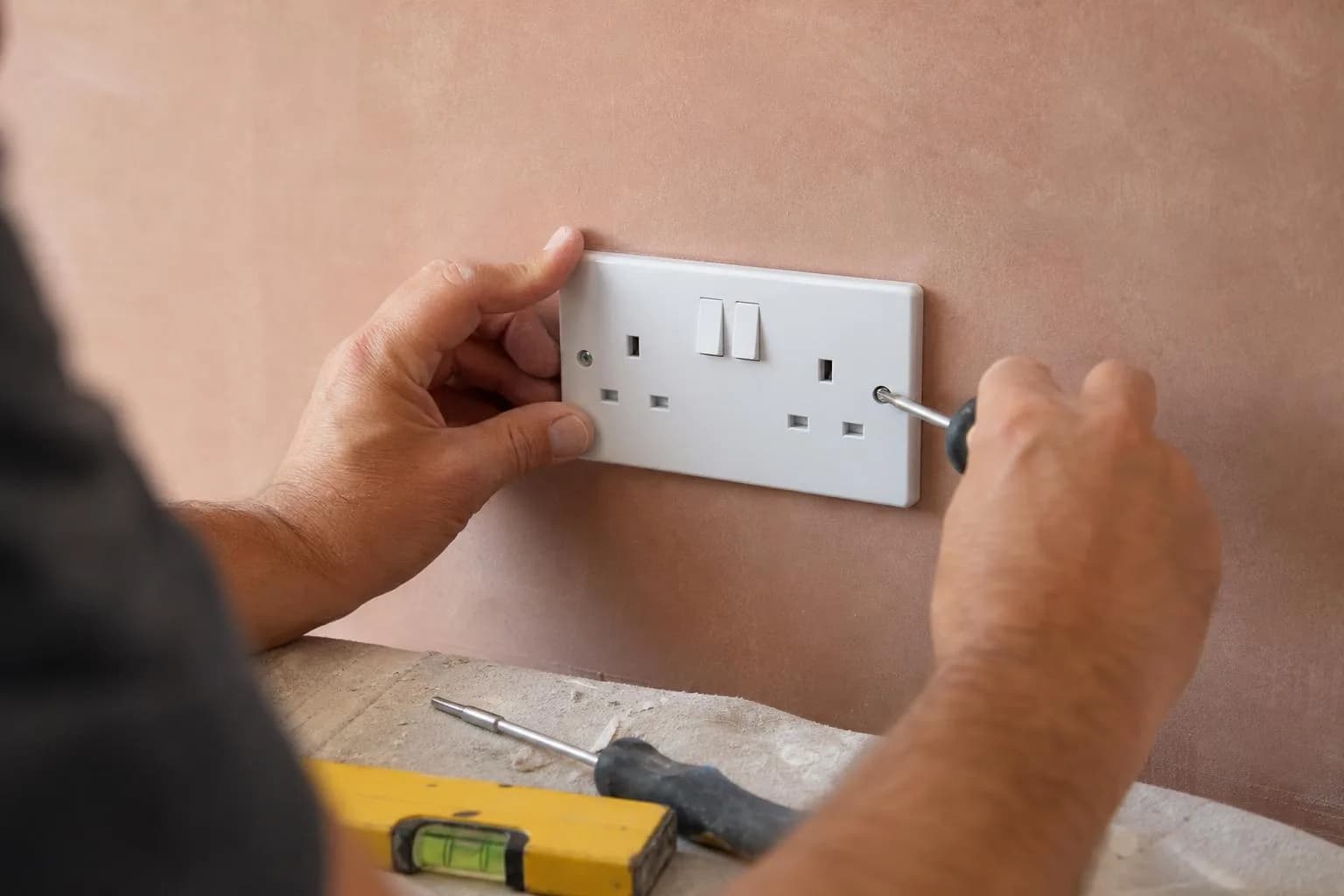
Sockets and new circuits when an office is refurbished or a room changes use.
Fault finding
Tracing why a circuit keeps tripping, then repairing it.
Electrical maintenance
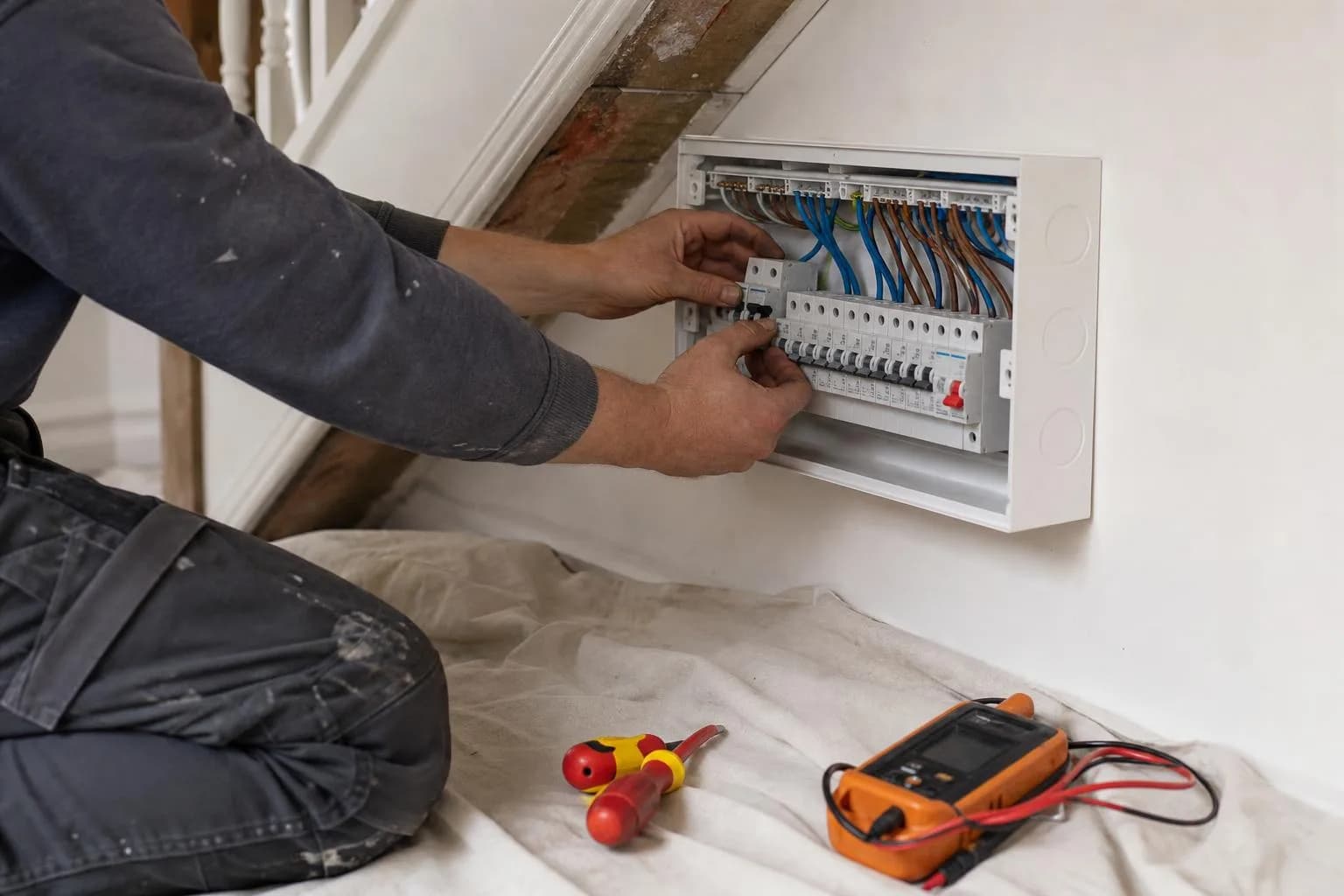
Periodic inspection and testing of the fixed wiring, with a written report, the EICR (Electrical Installation Condition Report); our EICR certificates page explains its codes.
New cables often leave chases (channels cut into a wall) and holes in ceilings. Our own team fills, skims and repaints them.
Your duty to maintain the electrics
If you're an employer or self-employed, the Electricity at Work Regulations 1989 apply to the electrical systems within your control. Regulation 4(2) requires that, as may be necessary to prevent danger, systems are maintained so as to prevent that danger, so far as is reasonably practicable.
Read moreShow less
Regulation 4 sets no interval. HSE's guidance (HSR25) calls inspection and, where necessary, testing an essential part of any preventive maintenance programme.
How often is for the dutyholder (here, the employer or self-employed person in control of the system) to judge, using all the information they need, including experience of use and the manufacturer's guidance. Records aren't a legal requirement, but they can help show you have complied.
Any part of an installation that becomes obviously defective between tests should be switched off until the fault is fixed (HSE's electrical safety FAQs).
Offices, blocks, churches, gyms and shops: the electrical side
Offices
Lights and sockets moved or added when the layout changes; a full refit is an office fit out.
Blocks of flats
The landlord's lighting in stairs and corridors; the rest of the common parts is work for social housing contractors.
Churches
Lighting in naves and halls, where high ceilings make access part of the job.
Gyms
Lighting across the training floor and power for the equipment.
Shops
Display lighting, and sockets for counters and tills.
From 30 November 2026, Awaab's Law will also cover electrical hazards that present a significant risk of harm in social homes; our guide to Awaab's Law sets out what that means.
What we bring to a commercial electrical job
One firm for the electrics and the making good
Our own team does the plaster and paint after the electrical work.
A free visit and written quote
We see the building before we price it.
Enquiries answered within one working day
A company on record
Registered at Companies House in 2007 (06178781), insured for £5 million public liability, on Checkatrade and verified on MyBuilder.
Electrical work for buildings in use
HSE's guidance prefers electrical work to be done with the conductors made dead first, which means switching off the circuits involved. In a building that stays open, that has to be planned with whoever runs it:
- which circuits go off, and for how long;
- what must stay on, such as tills, servers, fridges or the stair lighting in a block;
- which areas close while the work is done.
The wider programme, and your duties as a client under CDM (the Construction (Design and Management) Regulations 2015), are on our commercial construction page.
Where we take on commercial electrical work
We work across London and the South East. Most jobs are within about 20 miles of our base in Beckenham, in Bromley, Croydon, Lewisham, Greenwich, Eltham and Sidcup.
Larger jobs we quote for anywhere in the South East; our big commercial jobs have already taken us to Haywards Heath and Brighton.
How a job works with us
- 01
Tell us about the job
Use the form or give us a call. Let us know what needs doing, where the property is and roughly when you'd like the work done. Photos help us understand the job.
- 02
We look at the work
Where the job needs it, we come and see it before we price it, so we can check the surfaces, the access and what preparation is needed.
- 03
You get a written quote
The quote sets out what we will do, the preparation, the finishes and the areas included, so you can compare it and ask questions before you agree.
- 04
We agree the details
We agree the start date with you, and which areas we work in and when.
- 05
The work, and a tidy finish
We protect the areas around the work, keep you updated as the job goes on, and leave the place clean when we finish.
Frequently asked questions
Call 020 8249 7303
What does a commercial electrician do?
Commercial electricians, or electrical contractors, install, maintain, inspect and repair the electrics in non-domestic buildings: lighting, sockets and circuits, fault finding and periodic testing, usually in buildings that stay open while they work.
Do commercial premises need an EICR?
Regulation 4 of the Electricity at Work Regulations, which includes the duty to maintain the electrics, names no report and sets no interval. HSE says installations should be tested often enough that there is little chance of deterioration leading to danger, and an EICR (Electrical Installation Condition Report) is the usual record.
Can you light the communal areas of a block?
Yes: stairs, corridors and entrances, which normally run on the landlord's supply rather than the flats'. If the common parts are being redecorated too, our own team paints them once the lights are in.
What makes one commercial electrical job cost more than another?
The number of lights, sockets and circuits; how easy the cable routes are to reach; how much of the building must stay powered while we work; the testing and certificates needed; and how much plaster and paint has to be made good.
Commercial construction and maintenance company in London and the South East
Commercial construction for offices, blocks of flats, churches, gyms and shops across London and the South East. Work planned around buildings in use.
Electricians in Beckenham and South East London
Electricians in Beckenham and South East London from a family firm. Free visit, a written quote and tidy work.
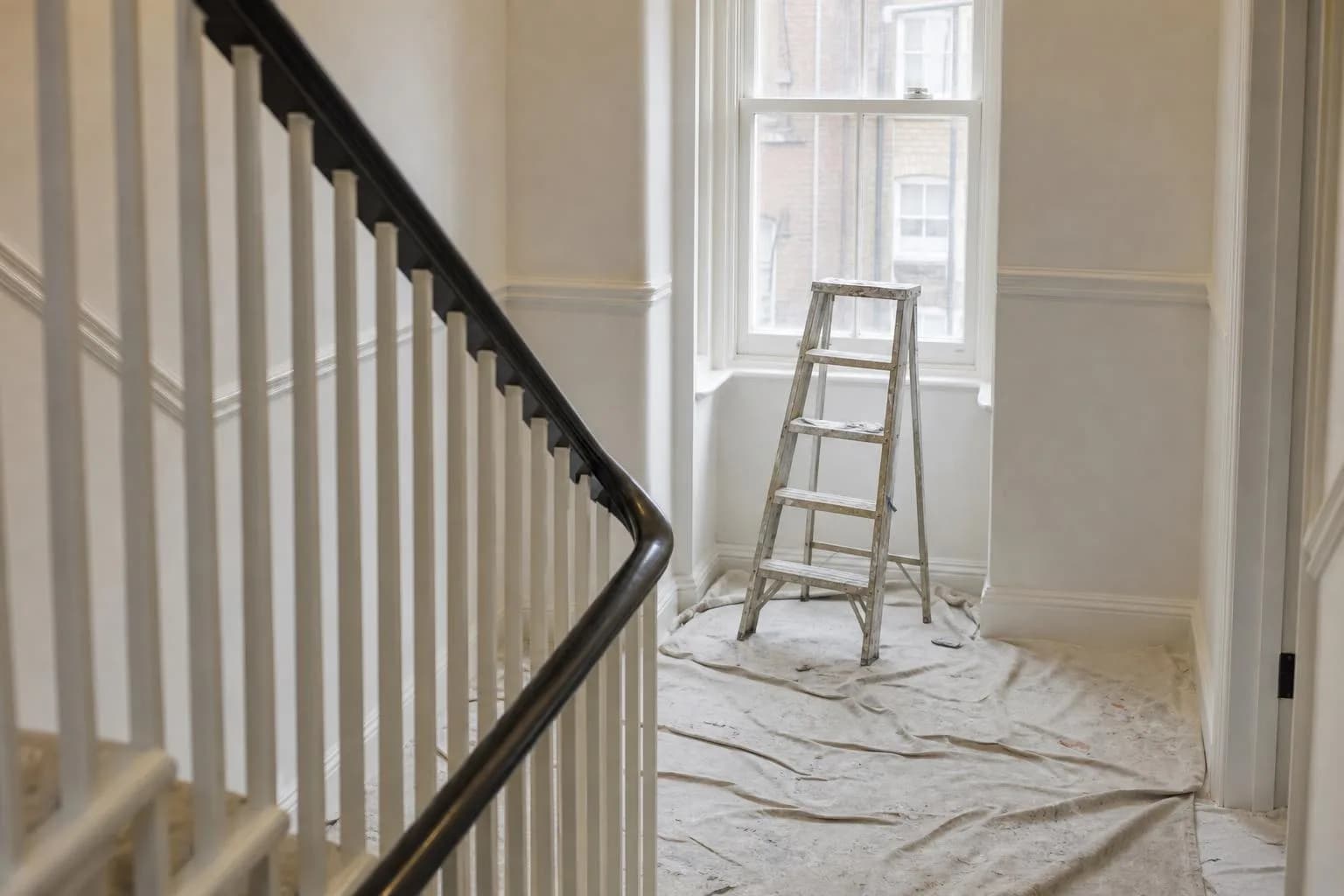
Commercial decorators in London and the South East
Commercial decorators for offices, blocks of flats, churches, gyms and shops across London and the South East. Free visit and a written quote.
Office fit out and refurbishment in London
Office fit out and refurbishment in London, planned around a building in use. Decorating, repairs and the main trades. Free visit and a written quote.
Social housing contractors for communal areas and maintenance
Social housing contractors for the communal areas of blocks of flats: entrance halls, stairwells and landings. Free visit and a written quote.
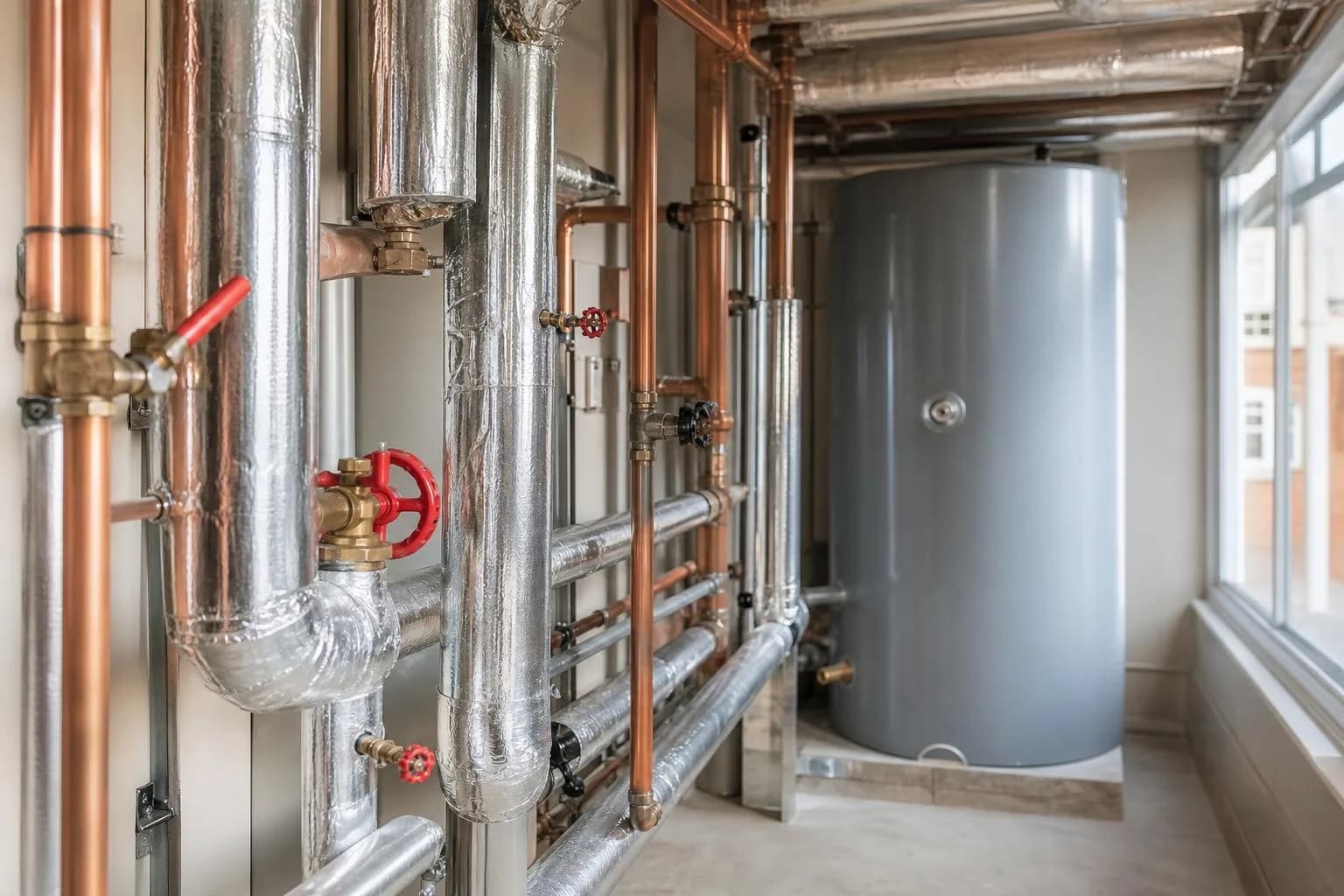
Commercial plumbers in London and the South East
Commercial plumbers for offices, blocks of flats, churches, gyms and shops across London and the South East. Free visit and a written quote.
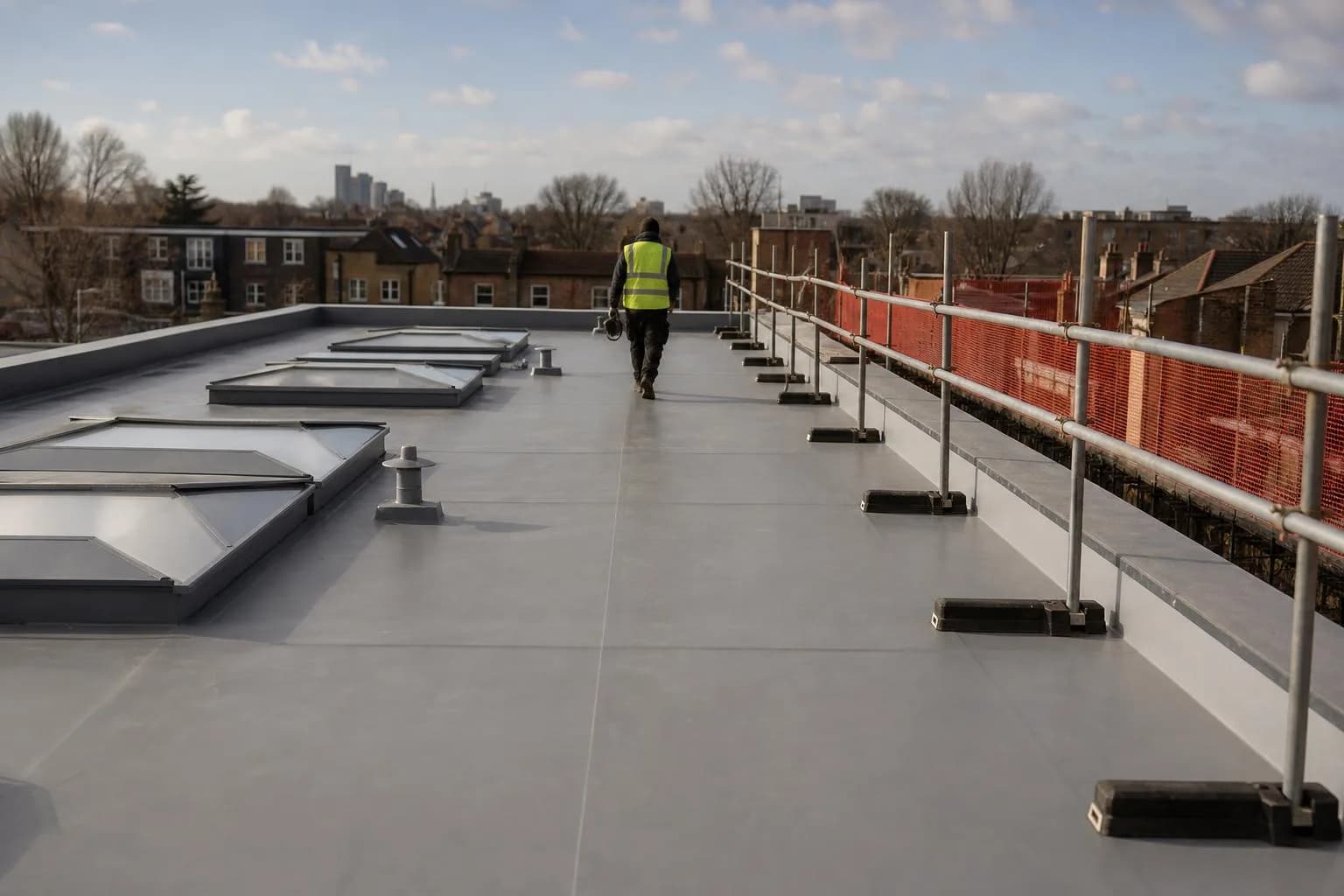
Commercial roofing in London and the South East
Commercial roofing for offices, blocks of flats, churches, gyms and shops across London and the South East. Free visit and a written quote.
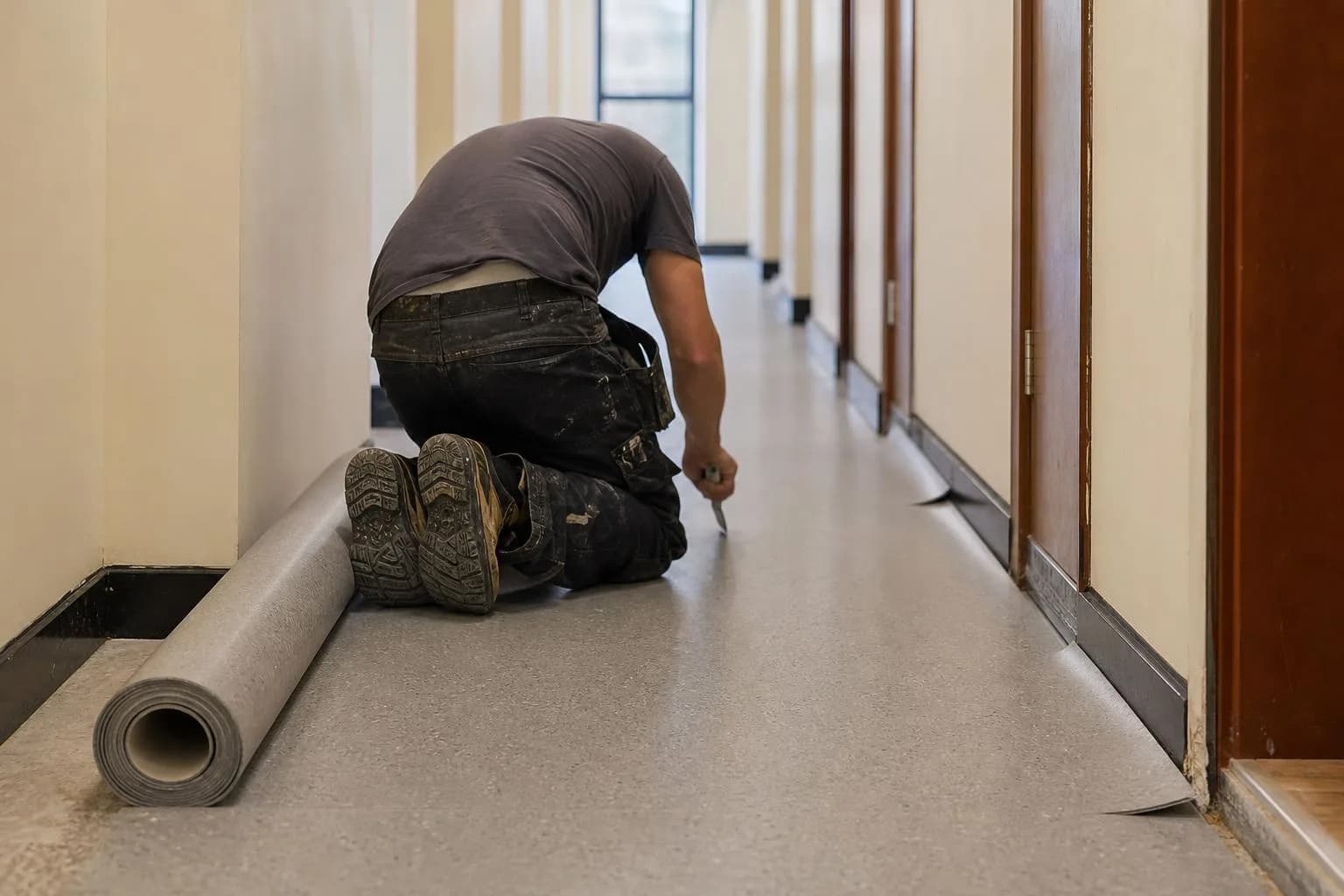
Commercial flooring in London and the South East
Commercial flooring for offices, blocks of flats, churches, gyms and shops across London and the South East. Free visit and a written quote.
Tell us what the building needs
Send the building type, the postcode and what needs doing, with a few photos. If you have the last inspection report, attach it.
For the rest of the building, see our commercial plumbers and commercial roofing pages; for houses and flats, our electricians.